Home › Cookies, Bars & Brownies
Cookies, Bars & Brownies · October 29, 2025
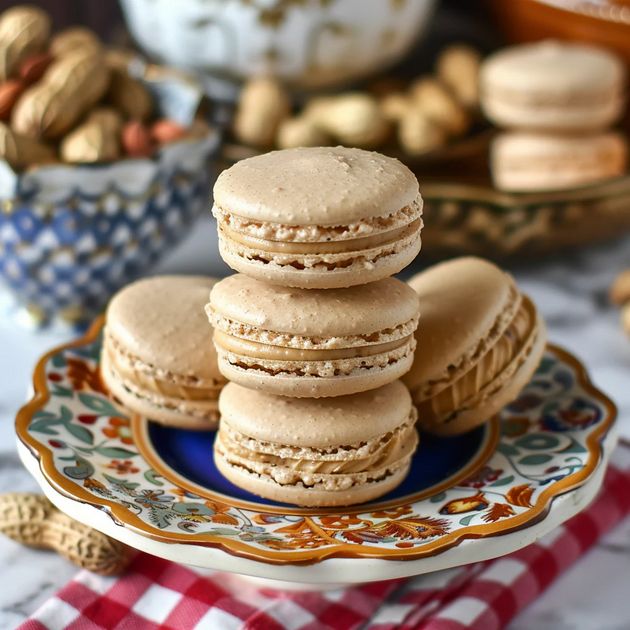
Vegan Peanut Butter Macarons Recipe
Ingredients
Directions
- Prepare the Macaron Shells:
- Line two baking sheets with parchment paper or silicone baking mats.
- In a food processor, pulse the almond flour and powdered sugar until well combined. Sift the mixture through a fine-mesh sieve into a large bowl to remove any lumps.
- In a clean mixing bowl, combine the aquafaba and cream of tartar. Beat with an electric mixer on medium speed until soft peaks form.
- Gradually add the granulated sugar, one tablespoon at a time, while continuing to beat on high speed until stiff peaks form. Add the vanilla extract and beat until incorporated.
- Gently fold the almond flour mixture into the aquafaba meringue in three additions, using a spatula to fold until just combined.
- Transfer the batter to a piping bag fitted with a round tip. Pipe small circles (about 1 inch in diameter) onto the prepared baking sheets, spacing them about 1 inch apart.
- Tap the baking sheets on the counter to release any air bubbles. Let the macarons sit at room temperature for 30-60 minutes, or until a skin forms on the surface.
- Bake the Macaron Shells:
- Preheat your oven to 300°F (150°C).
- Bake the macarons, one sheet at a time, for 15-18 minutes, or until they are firm to the touch and have developed "feet" around the edges.
- Let the macarons cool completely on the baking sheets before removing them.
- Prepare the Peanut Butter Filling:
- In a mixing bowl, beat the peanut butter and vegan butter together until smooth and creamy. Gradually add the powdered sugar, beating until well combined.
- Add plant-based milk, one tablespoon at a time, until the filling reaches a spreadable consistency.
- Assemble the Macarons:
- Pair up the macaron shells by size. Pipe or spread a small amount of peanut butter filling onto the flat side of one macaron shell, then sandwich with another shell.
- Repeat with the remaining shells and filling.
- Calories, 120; Fat, 7g; Saturated Fat, 2g; Carbohydrates, 13g; Fiber, 1g; Sugars, 11g; Protein, 3g
Vegan Peanut Butter Macarons – A Labor of Love for Special Occasions I got to learn how to make original macarons at Le Cordon Bleu Cooking School, Paris, France while on a foodie adventure, and it was fascinating seeing the experts at work. Now, making macarons is one of those baking adventures that I save for...
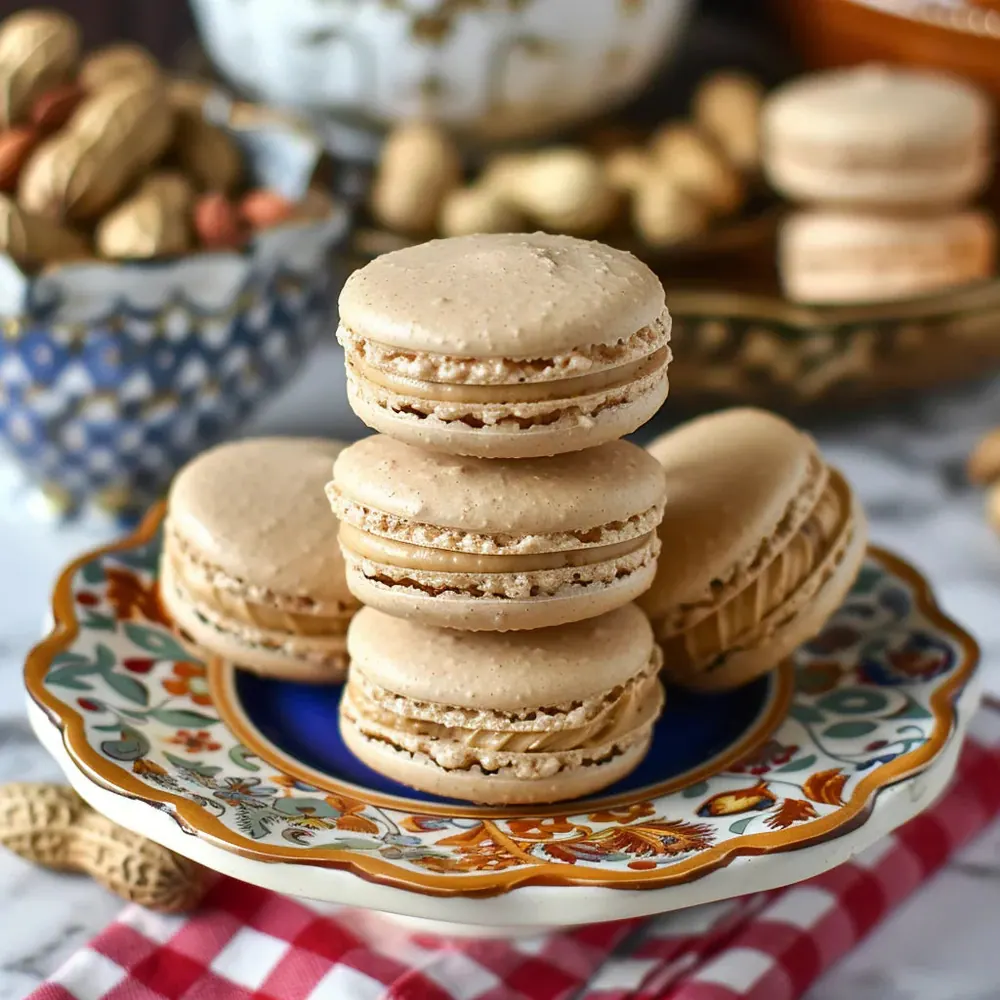 Vegan Peanut Butter Macarons
 – A Labor of Love for Special Occasions
I got to learn how to make original macarons at Le Cordon Bleu Cooking School, Paris, France while on a foodie adventure, and it was fascinating seeing the experts at work. Now, making macarons is one of those baking adventures that I save for special occasions. It’s not the easiest process, but it’s incredibly rewarding when you see those perfect little feet forming on each cookie, and they’re all nearly identical in size! I love making these Vegan Peanut Butter Macarons for birthdays or gatherings. They take some patience, but the satisfaction of seeing them come out beautifully—and the joy on everyone’s faces when they taste the rich peanut butter filling sandwiched between the delicate, chewy cookies—is completely worth the effort. Plus, it’s so fun piping the batter and trying to get those perfect circles. It’s definitely a labor of love, but one that pays off with every delicious bite.
Did you know?
Aquafaba, the liquid found in a can of chickpeas, has completely revolutionized vegan baking, especially for recipes like macarons that traditionally rely on egg whites. Whipped aquafaba mimics the consistency of egg whites, making it the perfect ingredient for light and airy meringue-based treats. Plus, aquafaba is low in calories, fat-free, and helps reduce food waste by using a byproduct that’s often discarded. In these macarons, aquafaba provides the perfect structure for the delicate shells, while the peanut butter filling brings a rich, creamy balance. These macarons are a testament to how creative and delicious vegan baking can be!
Nutritional Information (Per Serving):
Calories, 120; Fat, 7g; Saturated Fat, 2g; Carbohydrates, 13g; Fiber, 1g; Sugars, 11g; Protein, 3g
Kitchen Tips, Great Ideas, How to Save Money
- Bulk Buying: Purchase almond flour and powdered sugar in bulk to save money. These pantry staples have a long shelf life and are used in many baking recipes.
- Homemade Aquafaba: Instead of buying canned chickpeas just for the aquafaba, cook dried chickpeas at home and use the cooking liquid as aquafaba. This method is cost-effective and reduces waste.
- Reusable Tools: Invest in reusable silicone baking mats and piping bags. These tools are environmentally friendly and save money over time compared to disposable options.
- Energy Efficiency: Bake both sheets of macarons simultaneously if your oven allows, rotating them halfway through baking for even cooking. This saves on energy costs.
- Smart Storage: Store any leftover macarons in an airtight container in the refrigerator. They will stay fresh for up to a week, and the flavors will meld beautifully over time.
- Ingredient Substitutions: If vegan butter is too expensive, use a mix of coconut oil and a small amount of plant-based milk for the filling. This can provide a similar texture and flavor.
- Flavor Variations: Experiment with different fillings like chocolate ganache, fruit jams, or lemon curd to add variety to your macarons without additional cost.
- Learning and Sharing: Join online vegan baking communities for recipe ideas and troubleshooting tips. Sharing your own experiences can also help others and foster a sense of community.
- Homemade Extracts: Make your own vanilla extract by soaking vanilla beans in vodka. This homemade extract is more cost-effective and provides a rich flavor for your desserts.
- Creative Decorations: Use natural food colorings made from beet juice, spinach, or turmeric to color your macaron shells. This adds visual appeal without the need for artificial dyes.
Let’s Learn About the History of Macarons
The macaron, a delicate and colorful meringue-based confection, traces its roots back to France, but its origins are often debated. Some say the macaron was brought to France from Italy in the 16th century by Catherine de' Medici’s pastry chefs, while others believe it was created by French monks. Over time, macarons evolved from simple almond-based cookies into the elaborate sandwich-style version we enjoy today, thanks to French pâtissier Pierre Desfontaines. Macarons have since become an iconic French dessert, known for their delicate texture, bold colors, and endless flavor combinations. When making macarons, always check for high-quality almond flour and natural ingredients to ensure a delicious and authentic taste.
Shop Grandma's favourites
Eight pieces Heidi & Nancy love — to wear in the kitchen or gift to someone who loves to cook. Free shipping over $75 USD.
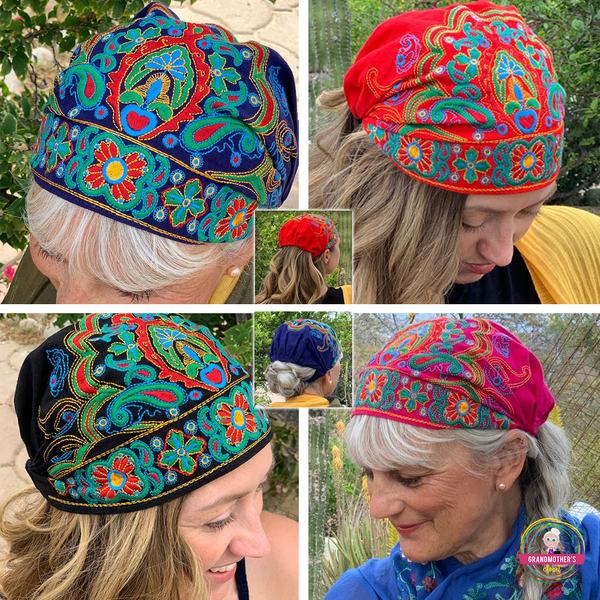
Embroidered Bandana Caps
From $19.00 USD Sale
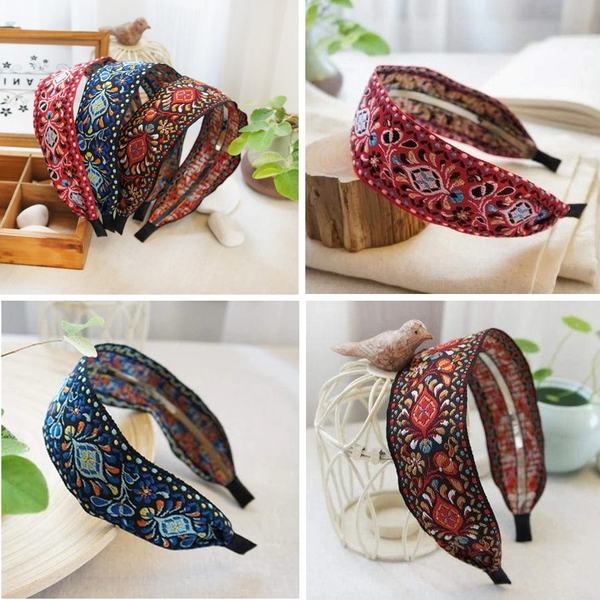
Sweet Embroidered Headbands
From $12.00 USD Sale
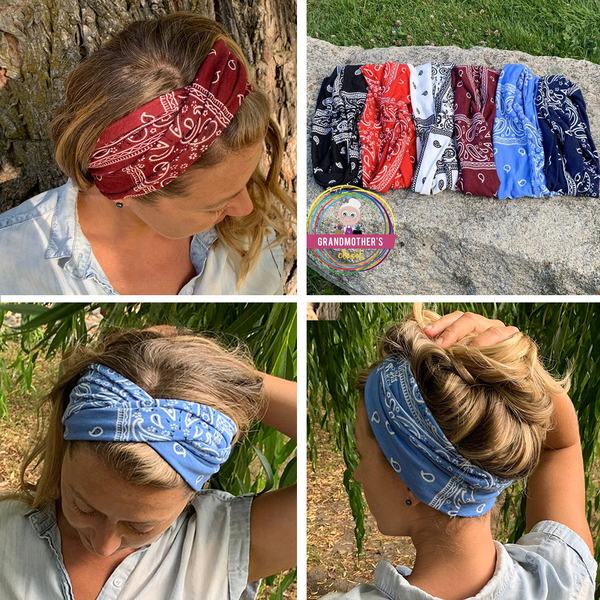
Soft Retro Headbands
From $15.95 USD Sale
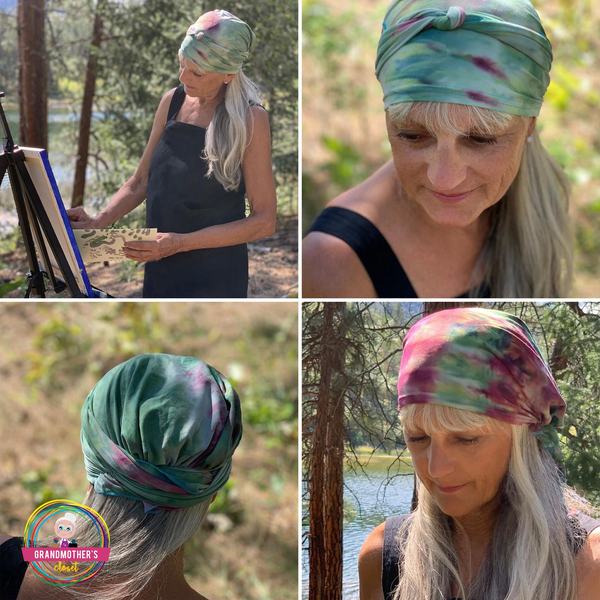
Tie Dye Bandana Hair Wrap
From $19.00 USD Sale
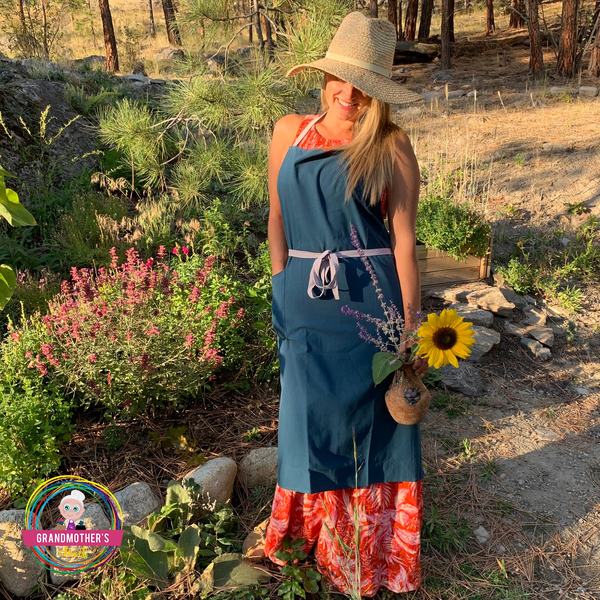
The Classic Apron
From $29.95 USD Sale
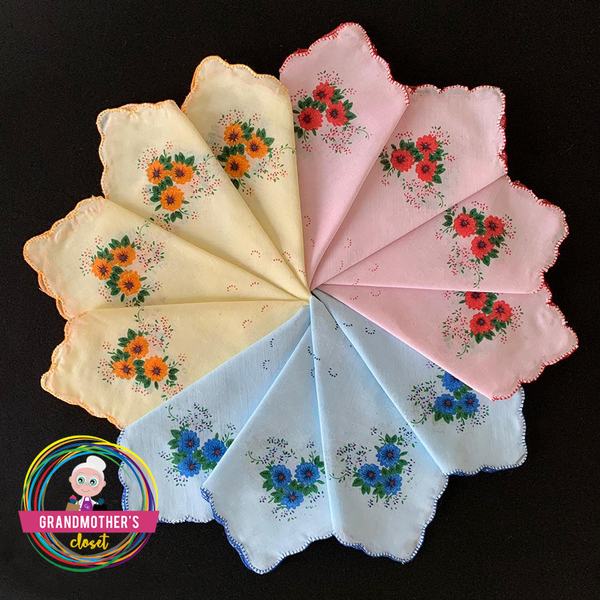
Set of 12 - Cotton Flower Handkerchiefs
$22.00 USD
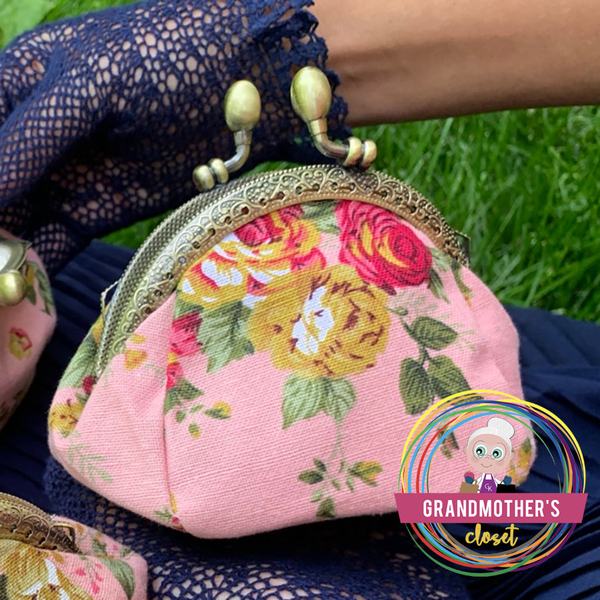
Grandmother's Vintage Style Coin Purse
From $12.95 USD Sale
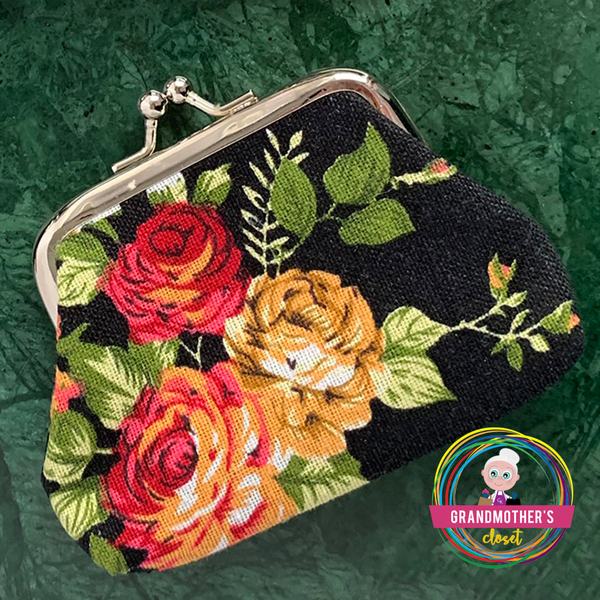
Grandmother's Mini Coin Purse
From $9.00 USD Sale