Home › Kitchen Tips & Home Guides
Kitchen Tips & Home Guides · November 12, 2025
The Ultimate Guide to Choosing and Maintaining Cookware
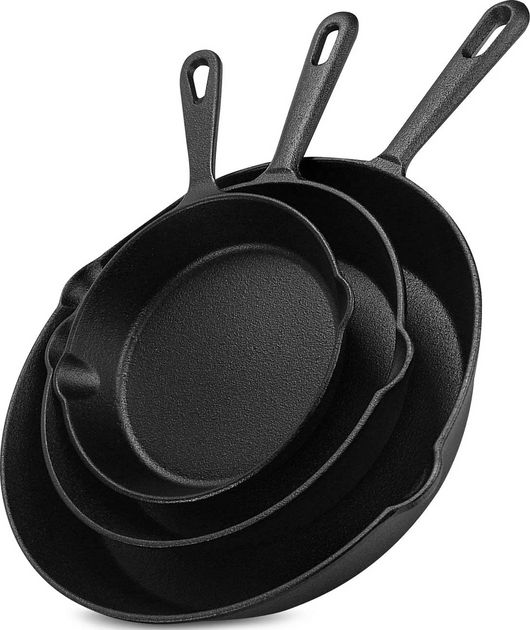
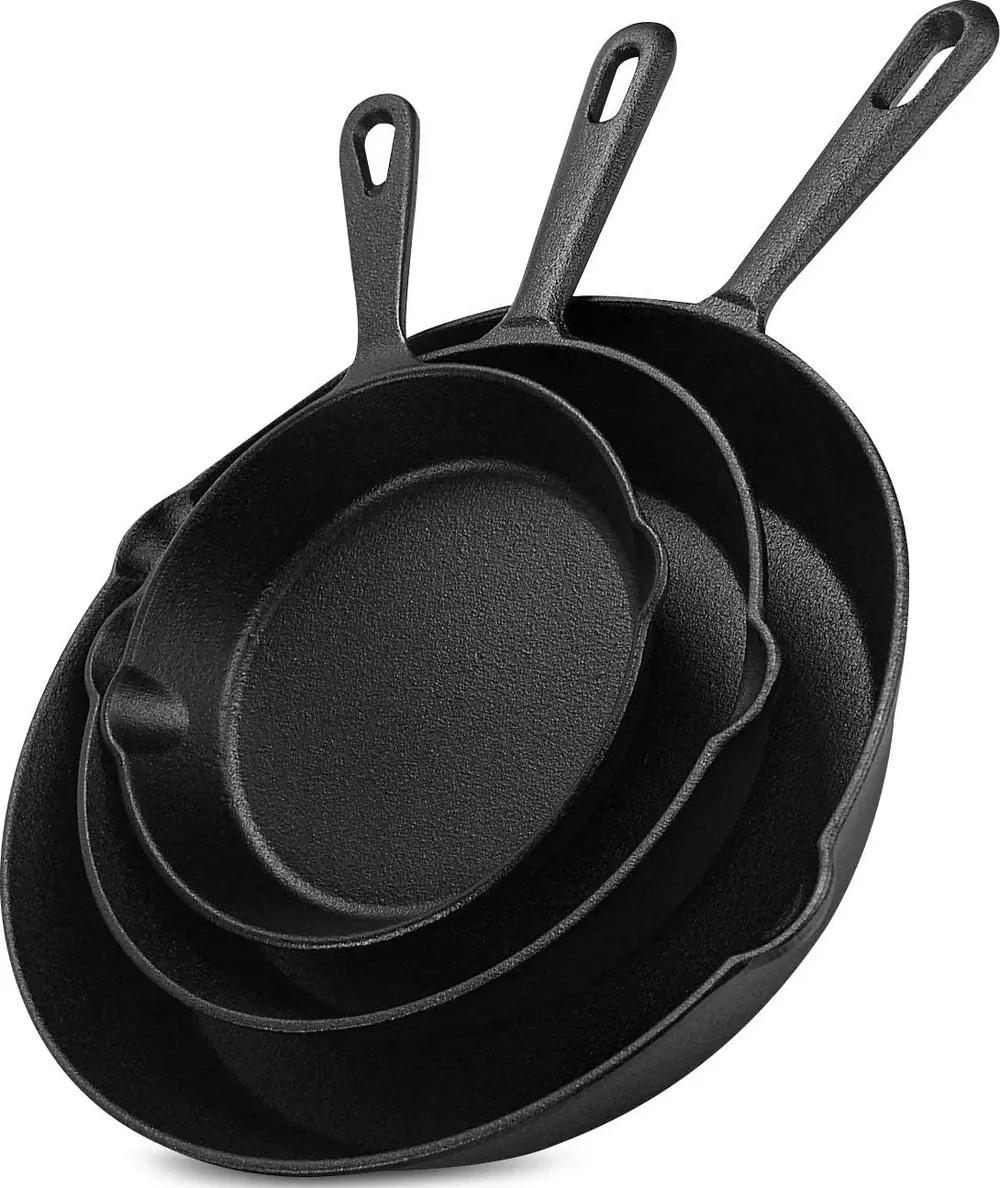 The Ultimate Guide to Choosing and Maintaining Cookware: Frying Pans, Skillets, and Woks
When it comes to cooking, the type of cookware you use plays a crucial role in the final result. Each material offers different benefits, and choosing the right one can elevate your cooking. Whether you're searing, frying, or sautéing, selecting the proper pan is key. In this guide, we'll explore the pros and cons of the most common cookware materials, from stainless steel to cast iron, helping you make an informed choice for your kitchen.
Stainless Steel Cookware
Durability: Stainless steel is known for its longevity. Resistant to rust, corrosion, and staining, it’s a reliable choice for both home cooks and professionals. When cared for properly, it can last for many years, making it a worthwhile investment.
Non-Reactive: Stainless steel doesn’t react with acidic or alkaline foods, so you can cook a wide range of dishes, from tomato-based sauces to citrus-infused meals, without altering the taste.
Heat Resistance: It handles high temperatures well, perfect for searing, browning, and deglazing. Stainless steel cookware can go from stovetop to oven with ease.
Even Heating: When combined with a core of aluminum or copper, stainless steel provides excellent heat distribution, preventing hot spots and ensuring even cooking.
Personal Tip: Always preheat the pan and use enough oil to prevent sticking. Let the oil heat until it shimmers before adding food.
Care Tips:
- Clean with a soft cloth and mild detergent. Avoid abrasive pads to maintain the surface.
- For tough spots, soak the pan in warm soapy water and scrub gently. A paste of baking soda and water can help with stubborn stains.
Cast Iron Cookware
Heat Retention: Cast iron’s superior heat retention makes it ideal for frying, searing, and slow cooking. It holds heat evenly and stays hot longer, perfect for dishes that benefit from slow, steady cooking.
Versatility: From stovetop to oven, and even over a campfire, cast iron is incredibly versatile. You can use it for baking, roasting, and grilling with ease.
Natural Non-Stick: When properly seasoned, cast iron forms a natural non-stick surface, making it a healthier alternative to chemically coated pans.
Personal Tip: Regularly season your cast iron by coating it with oil and baking in the oven to maintain its non-stick properties and prevent rust.
Care Tips:
- Clean with hot water and a stiff brush—avoid soap.
- Dry thoroughly after washing and apply a thin layer of oil to prevent rust.
Non-Stick Cookware (Teflon and Ceramic)
Ease of Use: Non-stick surfaces ensure that food releases easily, making cooking and cleanup a breeze. This is especially beneficial when preparing delicate dishes like eggs or fish.
Low-Fat Cooking: Non-stick pans require less oil, making them great for health-conscious cooks looking to reduce fat in their meals.
Lightweight: Non-stick pans are generally easier to handle, making them ideal for everyday use.
Personal Tip: Use wooden or silicone utensils to avoid scratching the surface and extend the life of your non-stick coating.
Care Tips:
- Hand wash with a soft sponge and mild detergent—avoid abrasive scrubbers.
- Keep heat low to medium to prolong the life of the coating.
Copper Cookware
Heat Conductivity: Copper offers unmatched heat conductivity, allowing for precise temperature control. It heats up quickly and cools down just as fast, making it perfect for delicate dishes that require careful temperature management.
Aesthetic Appeal: Copper adds an elegant touch to any kitchen. Its beauty and performance make it a luxury item for many chefs.
Personal Tip: To maintain copper’s shine, polish regularly using a copper cleaner or a homemade mixture of lemon juice and salt.
Care Tips:
- Avoid using abrasive cleaners to prevent scratching.
- Choose lined copper cookware to prevent reactivity with foods, ensuring safe and flavorful cooking.
Carbon Steel Cookware
Heat Conductivity: Carbon steel heats up quickly and evenly, making it a popular choice for high-heat cooking techniques like stir-frying and sautéing.
Durability: It’s less prone to warping at high temperatures, making it a long-lasting option for serious cooks.
Versatility: Suitable for all heat sources, including induction, carbon steel is commonly used for woks, offering excellent heat control and high-temperature resilience.
Personal Tip: Season your carbon steel regularly to maintain its non-stick surface and prevent rust. Heat it with a thin layer of oil until it smokes.
Care Tips:
- Clean with hot water and a soft brush—avoid soap to preserve the seasoning.
- Dry thoroughly and apply a thin layer of oil to prevent rust.
Choosing the Right Cookware for Your Kitchen
Choosing the right cookware depends on your cooking style, the types of dishes you make most often, and your preference for maintenance. Stainless steel, cast iron, non-stick, copper, and carbon steel each offer unique benefits. Whether you need the precision of copper, the durability of cast iron, or the ease of non-stick, understanding these materials will help you select the perfect pan for your needs.
Shop Grandma's favourites
Eight pieces Heidi & Nancy love — to wear in the kitchen or gift to someone who loves to cook. Free shipping over $75 USD.
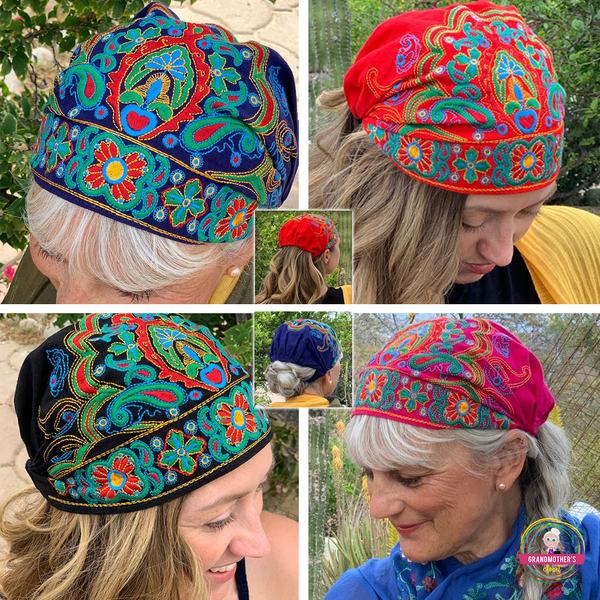
Embroidered Bandana Caps
From $19.00 USD Sale
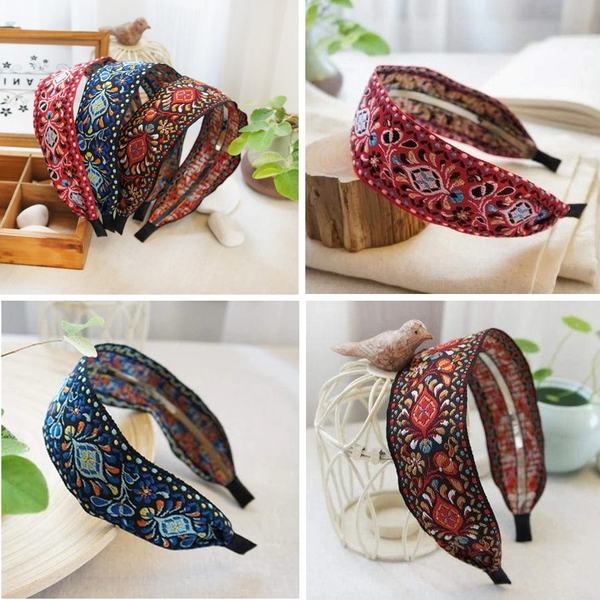
Sweet Embroidered Headbands
From $12.00 USD Sale
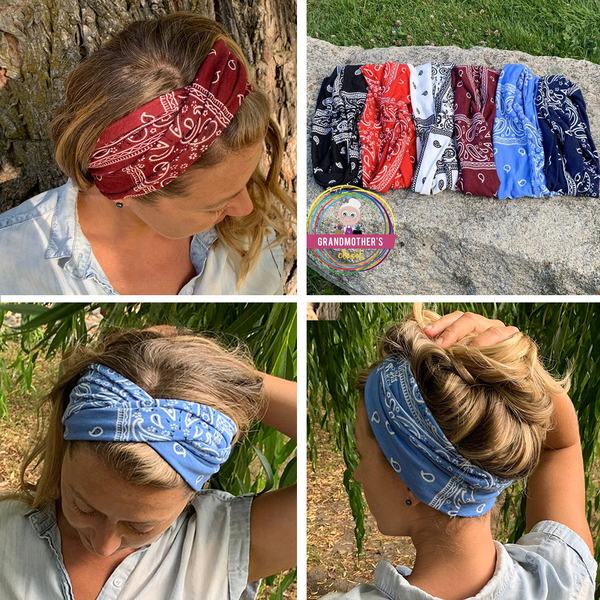
Soft Retro Headbands
From $15.95 USD Sale

Tie Dye Bandana Hair Wrap
From $19.00 USD Sale

The Classic Apron
From $29.95 USD Sale
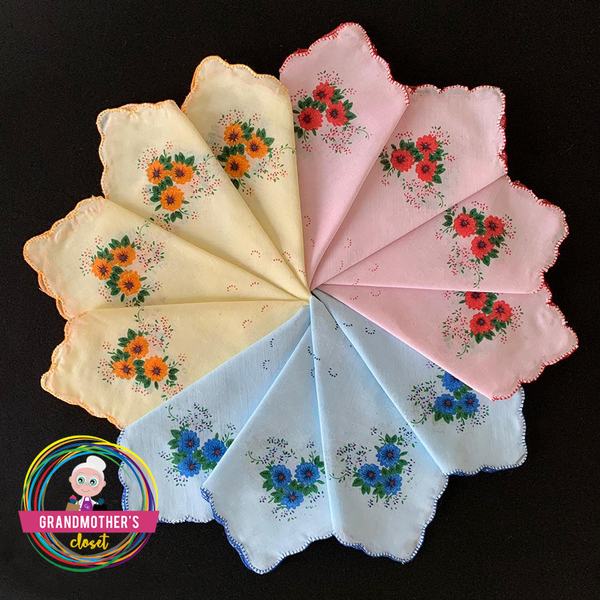
Set of 12 - Cotton Flower Handkerchiefs
$22.00 USD
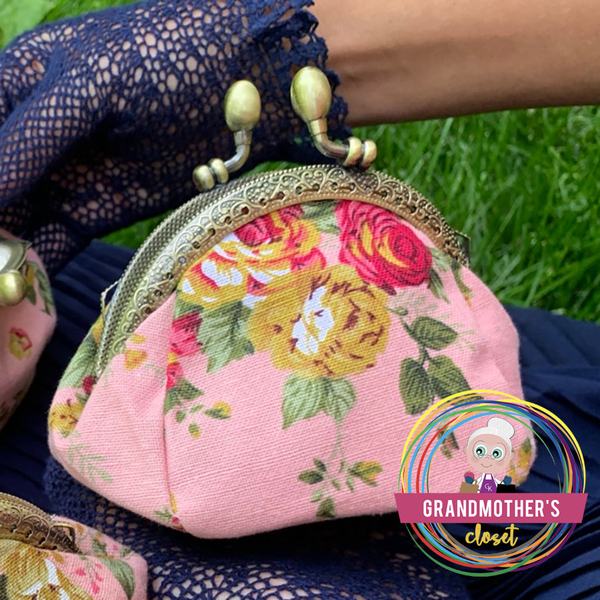
Grandmother's Vintage Style Coin Purse
From $12.95 USD Sale
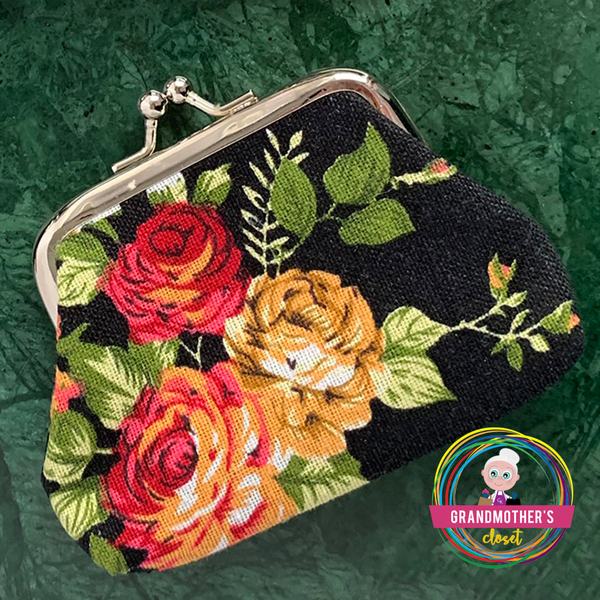
Grandmother's Mini Coin Purse
From $9.00 USD Sale