Main Dishes · September 25, 2025
Quick and Tasty Thai Peanut Noodles – A Flavorful Plant-Based Meal
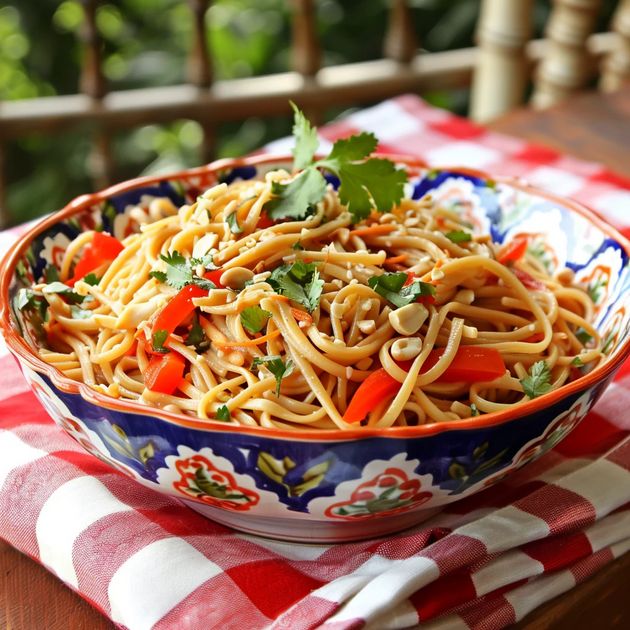
Ingredients
Directions
- Cook Noodles:
- Cook the rice noodles according to package instructions. Drain and set aside.
- Heat Oil:
- Heat oil in a skillet over medium heat. Add garlic, red bell pepper, and carrots. Cook for 5-7 minutes, until tender.
- Make Sauce:
- In a small bowl, whisk together peanut butter, soy sauce, lime juice, honey, and sriracha (if using).
- Combine Noodles and Sauce:
- Add the cooked noodles to the skillet and pour the peanut sauce over the top. Toss to combine.
- Serve:
- Serve topped with chopped peanuts and fresh cilantro.
- Calories: 400, Protein: 12g, Carbohydrates: 60g, Sugars: 12g, Total Fat: 15g, Saturated Fat: 3g, Sodium: 500mg, Fiber: 5g
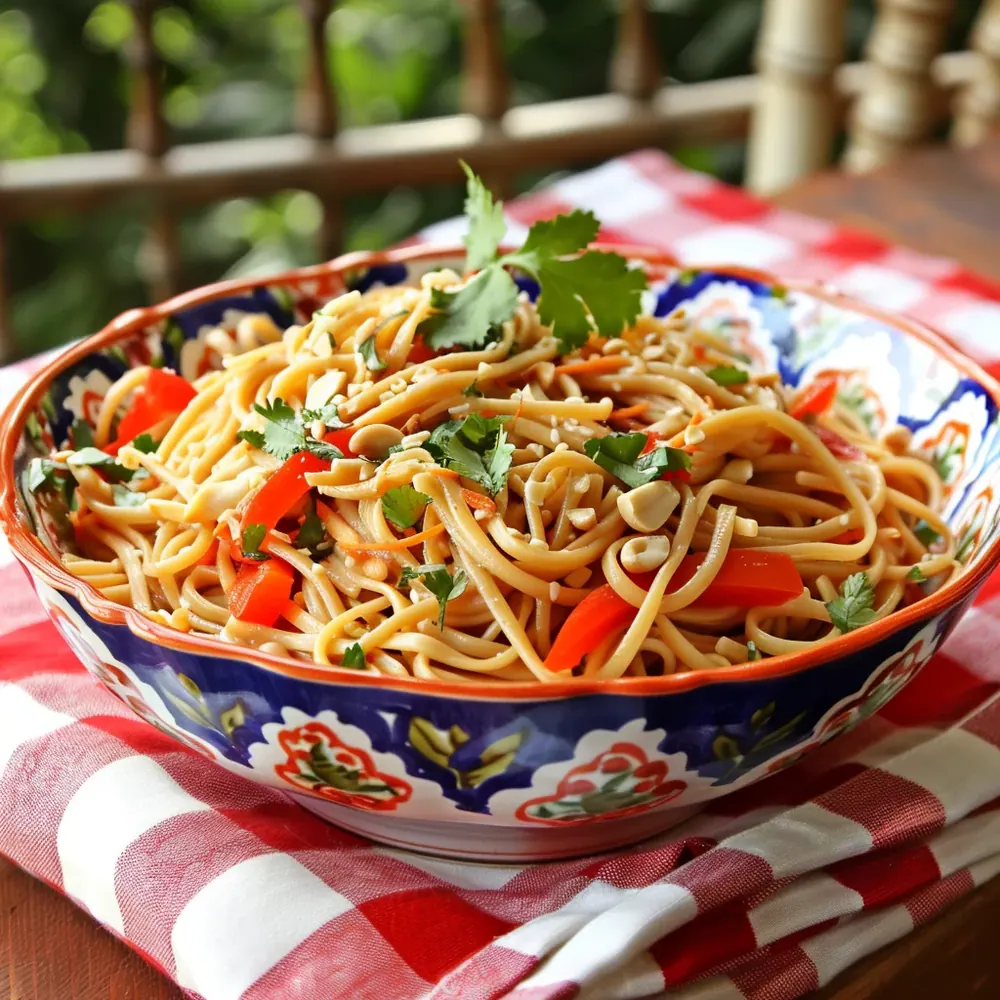 Thai Peanut Noodles – Quick and Tasty
Plant-based dishes like Thai Peanut Noodles are a perfect weeknight solution when you're looking for something quick, flavorful, and nutritious. This meal balances sweet, salty, and spicy elements, making it satisfying yet light. It's also versatile—you can easily swap in your favorite vegetables or proteins to suit your tastes. The peanut sauce is rich and creamy, coating the rice noodles perfectly, while the fresh cilantro and crunchy peanuts on top add texture and brightness. If you're short on time, this dish comes together in under 30 minutes, making it ideal for busy evenings. It’s a delicious way to introduce more plant-based meals into your routine while still keeping things interesting.
Did You Know?
Thai peanut noodles have their roots in traditional Thai cuisine, which often features a balance of sweet, salty, sour, and spicy flavors. The use of peanut sauce in noodles became popular internationally, blending the rich taste of peanuts with the vibrant flavors of Thai cooking. This dish is loved for its simplicity and versatility, allowing for a variety of vegetables and proteins to be added to suit personal preferences.
Nutritional Information (Per Serving):
Calories: 400, Protein: 12g, Carbohydrates: 60g, Sugars: 12g, Total Fat: 15g, Saturated Fat: 3g, Sodium: 500mg, Fiber: 5g
Kitchen Tips, Great Ideas, How to Save Money
1. Prep in Advance: Cut your vegetables and make the sauce ahead of time. This can save you time during the busy evening hours.
2. Versatile Ingredients: Feel free to add any vegetables you have on hand, such as broccoli, snap peas, or zucchini. This not only adds variety but also helps reduce food waste.
3. Budget-Friendly Proteins: For additional protein, consider adding tofu, chicken, or shrimp. Buying these in bulk and freezing portions can save you money.
4. Homemade Peanut Butter: Making your own peanut butter can be more economical and healthier. Simply blend peanuts in a food processor until smooth.
5. Adjusting Spice Levels: Control the heat by adjusting the amount of sriracha. Start with a small amount and add more to taste.
6. Bulk Buying: Purchase pantry staples like rice noodles, soy sauce, and peanut butter in bulk. These items have a long shelf life and are used in many recipes.
7. Cooking Rice Noodles: To prevent rice noodles from sticking, rinse them with cold water after cooking and toss them with a bit of oil.
8. Fresh Herbs: Growing your own cilantro at home can be a cost-effective way to have fresh herbs readily available.
9. Storing Leftovers: Store any leftovers in an airtight container in the refrigerator. They can be reheated for a quick and easy lunch the next day.
10. Healthy Options: Substitute honey with a natural sweetener like agave syrup or use gluten-free soy sauce to cater to dietary preferences.
Let's Learn About Rice Noodles
Rice noodles are a staple in many Asian cuisines, made primarily from rice flour and water. They are naturally gluten-free and lighter than wheat-based noodles, making them a great option for those with gluten sensitivities. When shopping for rice noodles, always check the packaging for added preservatives or artificial colors. The best rice noodles are made with minimal ingredients, ensuring a cleaner and healthier product. To cook rice noodles perfectly, avoid overcooking, as they can become mushy. Rinse them under cold water after boiling to remove excess starch and keep them from sticking together.
Shop Grandma's favourites
Eight pieces Heidi & Nancy love — to wear in the kitchen or gift to someone who loves to cook. Free shipping over $75 USD.
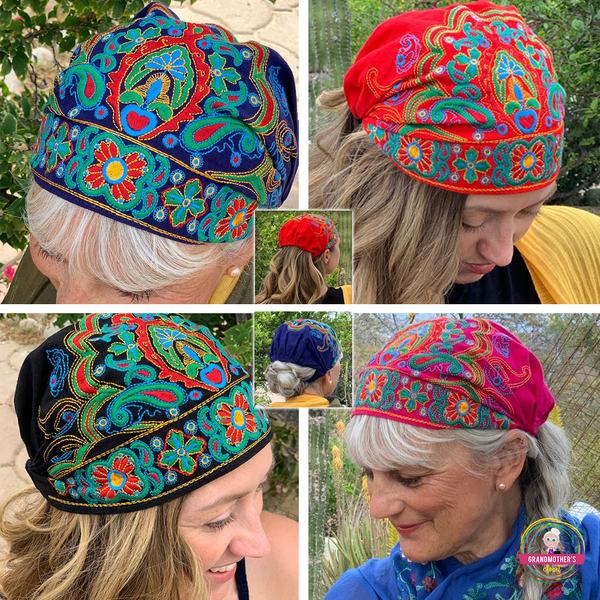
Embroidered Bandana Caps
From $19.00 USD Sale
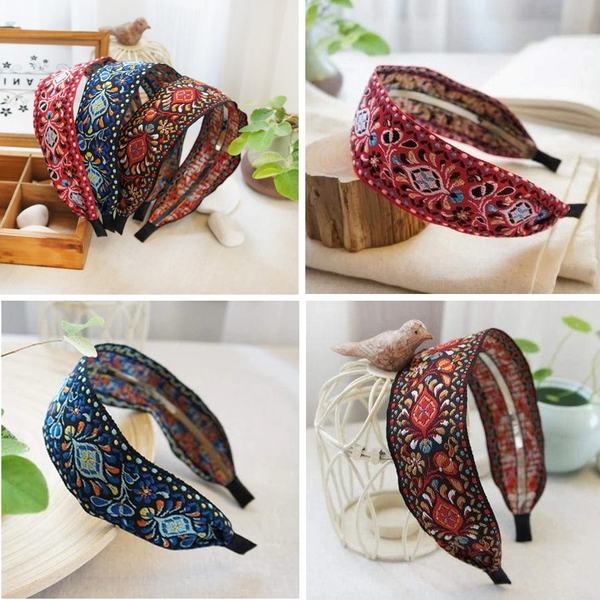
Sweet Embroidered Headbands
From $12.00 USD Sale
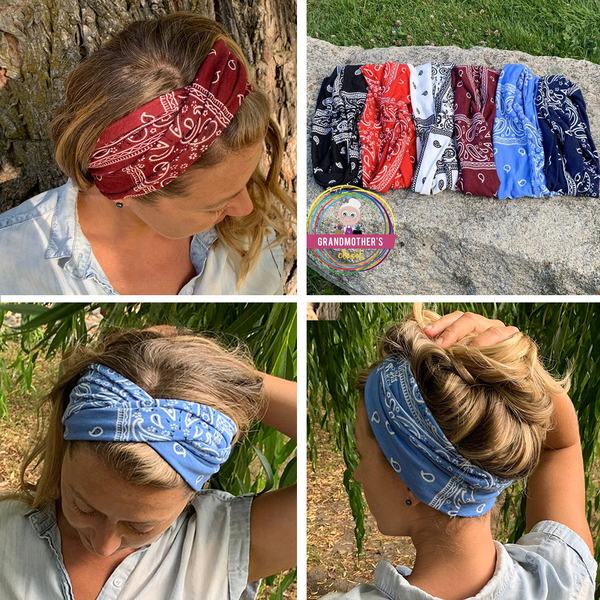
Soft Retro Headbands
From $15.95 USD Sale

Tie Dye Bandana Hair Wrap
From $19.00 USD Sale

The Classic Apron
From $29.95 USD Sale
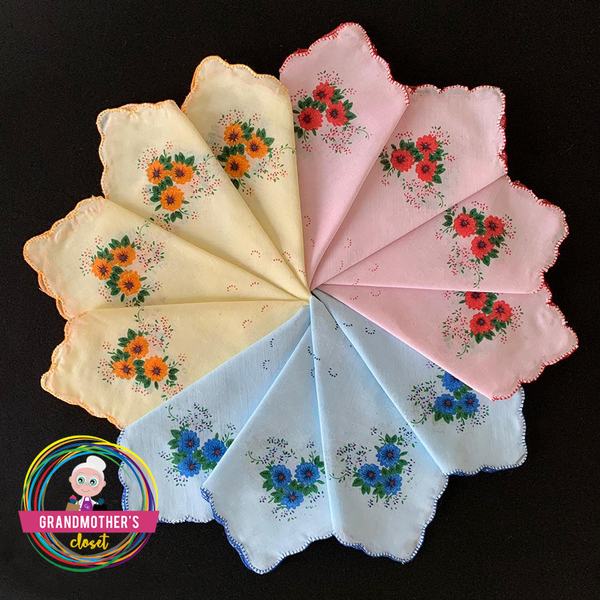
Set of 12 - Cotton Flower Handkerchiefs
$22.00 USD
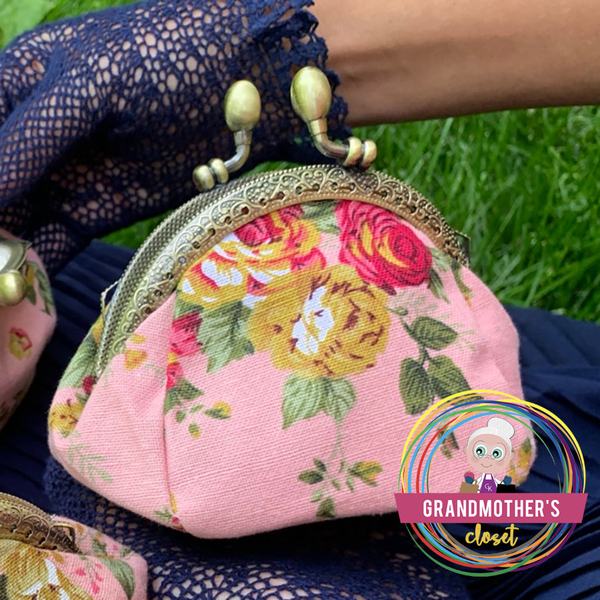
Grandmother's Vintage Style Coin Purse
From $12.95 USD Sale
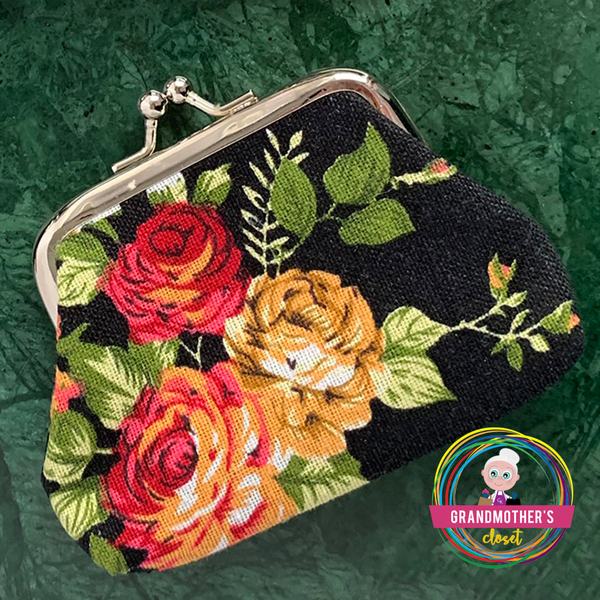
Grandmother's Mini Coin Purse
From $9.00 USD Sale