
Home › Canning, Jams & Preserves
Canning, Jams & Preserves · September 30, 2025
Preserving Apricots: A Taste of Summer All Year Round
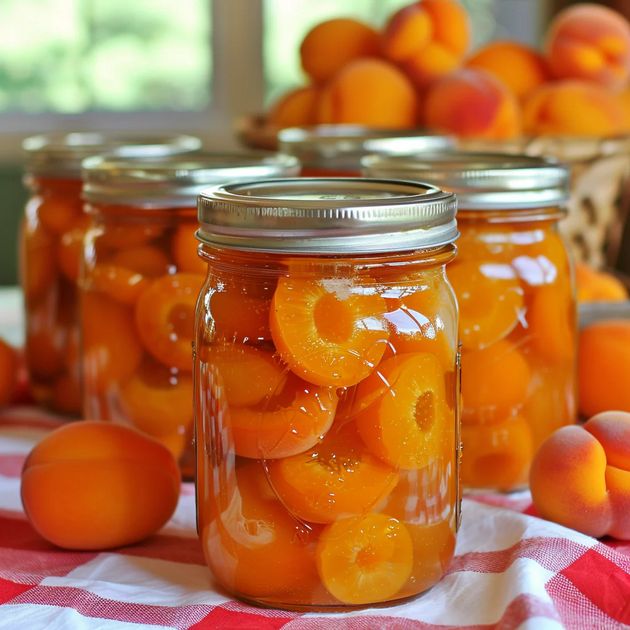
Ingredients
Directions
- Prepare the Jars
- Wash jars, lids, and bands in hot, soapy water. Rinse well. Place jars in a large pot, cover with water, and boil for 10 minutes. Keep jars hot until ready to use. Heat lids in simmering water until ready for use, but don’t boil. Set bands aside.
- Prepare the Apricots
- Wash apricots thoroughly. Cut in half and remove pits. Treat apricots with a solution of water and lemon juice or ascorbic acid to prevent browning.
- Make the Syrup
- In a large pot, combine sugar or honey and water. Bring to a boil, stirring until dissolved.
- Pack the Jars
- Pack the apricot halves into hot jars, leaving about 1/2-inch headspace. Pour hot syrup over the apricots, maintaining the 1/2-inch headspace. Remove air bubbles with a non-metallic spatula, wipe rims with a clean cloth, and apply lids and bands until fingertip tight.
- Process the Jars
- Place jars in a boiling water bath, ensuring they are covered by at least 1-2 inches of water. Process for 20 minutes for pints or 25 minutes for quarts. Remove the jars and let them cool for 12-24 hours. Check seals; lids should not flex up and down when pressed. Store in a cool, dark place for up to a year.
- Calories: 80 (sugar syrup), 90 (honey syrup)
- Protein: 1g
- Carbohydrates: 21g
- Fat: 0g
- Sugars: 18g
Preserving Apricots Gives You a Taste of Summer in the Winter There’s something truly special about canning apricots. It brings back memories of my grandmother and mother spending countless hours in the kitchen during the summer months, preserving the bounty of the season. Canning was more than just a hobby; it was...
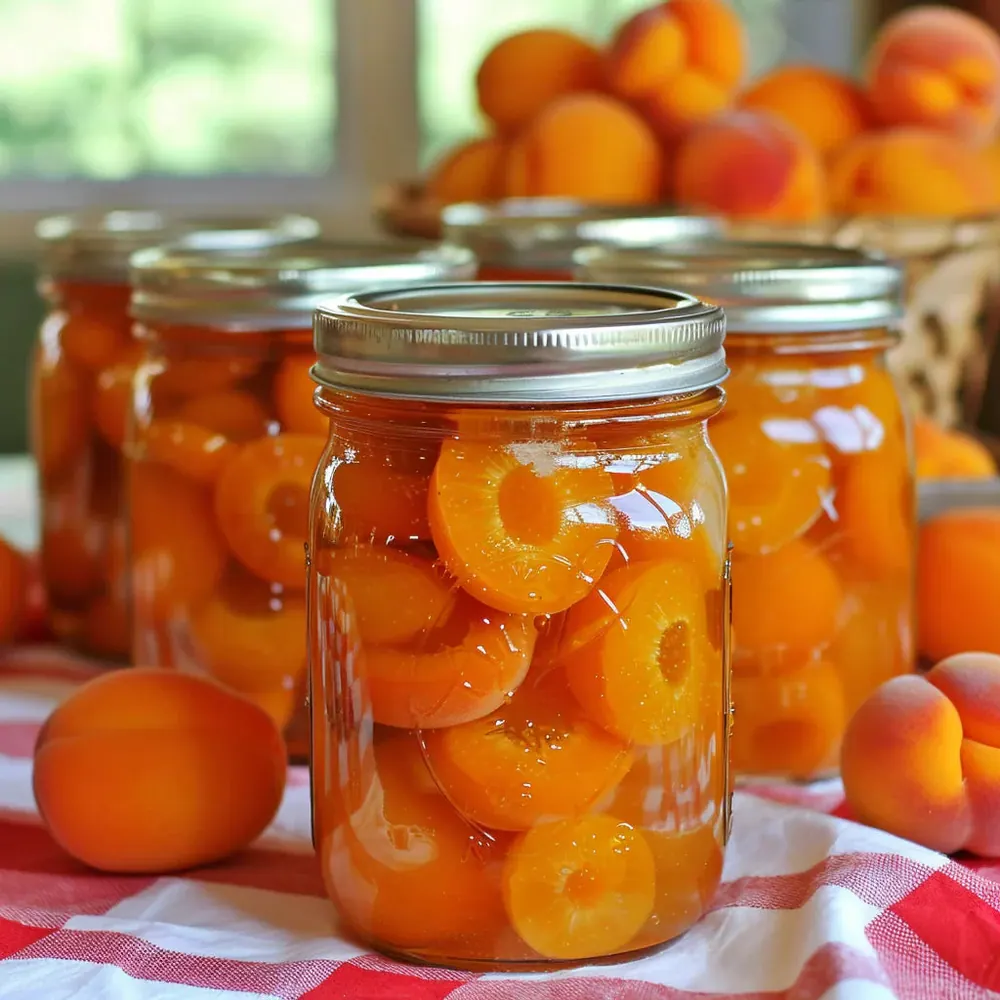 Preserving Apricots Gives You a Taste of Summer in the Winter
There’s something truly special about canning apricots. It brings back memories of my grandmother and mother spending countless hours in the kitchen during the summer months, preserving the bounty of the season. Canning was more than just a hobby; it was a necessity, especially in the days before grocery stores were as accessible as they are today. My family would work tirelessly, canning fruits and vegetables to ensure that we had enough to last through the winter.
For me, canning became a meaningful tradition when my children were young. I wanted to provide them with wholesome, homemade foods just like the ones I grew up with. It’s deeply satisfying to know exactly what goes into the food I serve my family. These days, even though I don’t can as much as I used to, I still take joy in the process. Opening a jar of apricots in the middle of winter brings back those summer memories and reminds me of the love and hard work that goes into every jar.
Did You Know?
Apricots originated in China over 4,000 years ago. They’re packed with vitamins A and C, fiber, and antioxidants, making them not only delicious but nutritious as well.
Nutritional Information (Per Serving - 1 cup of canned apricots):
Calories: 80 (sugar syrup), 90 (honey syrup)
Protein: 1g
Carbohydrates: 21g
Fat: 0g
Sugars: 18g
Kitchen Tips, Great Ideas, How to Save Money:
- Choose Ripe Apricots: Always select ripe, firm apricots for the best results. Overripe apricots may turn mushy during the canning process.
- Sterilization is Key: Properly sterilize jars and lids to avoid spoilage.
- Prevent Browning: Treat apricots with lemon juice or ascorbic acid to prevent browning.
- Proper Sealing: Lids should be applied fingertip tight—not overtightened. This allows air to escape during the processing stage.
- Headspace is Important: Leave the correct amount of headspace for proper sealing.
- Remove Air Bubbles: Air trapped in jars can lead to spoilage. Gently remove bubbles with a non-metallic spatula.
- Storage Conditions: Store canned apricots in a cool, dark place.
- Labeling Jars: Date and label jars to ensure you’re using the oldest batches first.
- Reuse and Recycle: Repurpose jars from store-bought products—just ensure proper sterilization.
- Syrup Variations: Experiment with different honey types or sweetener blends to customize your flavor.
Let’s Learn About Different Apricot Varieties
Apricots come in various types, each with its own distinct flavor and texture:
- Blenheim: A classic variety known for its sweetness and juiciness, Blenheim apricots are ideal for canning and fresh eating.
- Tilton: Perfect for drying, Tilton apricots are firm and slightly tart, making them versatile for many uses.
- Moorpark: A large, sweet variety that’s excellent for fresh eating and preserves.
- Perfection: True to its name, this apricot offers a balanced flavor profile and smooth texture. It’s great for all purposes—canning, fresh eating, or drying.
When selecting apricots, look for firm but ripe fruit to ensure they hold their shape during the canning process. Choosing organic apricots can also ensure fewer pesticides and a healthier end product for your family.
Shop Grandma's favourites
Eight pieces Heidi & Nancy love — to wear in the kitchen or gift to someone who loves to cook. Free shipping over $75 USD.

Embroidered Bandana Caps
From $19.00 USD Sale

Sweet Embroidered Headbands
From $12.00 USD Sale

Soft Retro Headbands
From $15.95 USD Sale

Tie Dye Bandana Hair Wrap
From $19.00 USD Sale

The Classic Apron
From $29.95 USD Sale
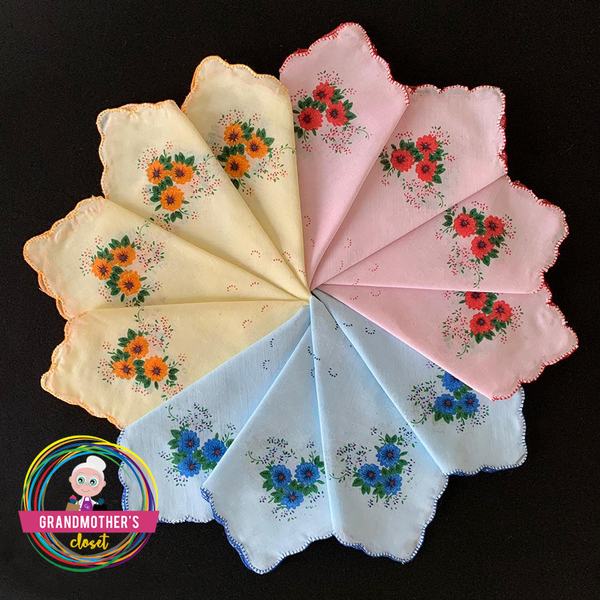
Set of 12 - Cotton Flower Handkerchiefs
$22.00 USD
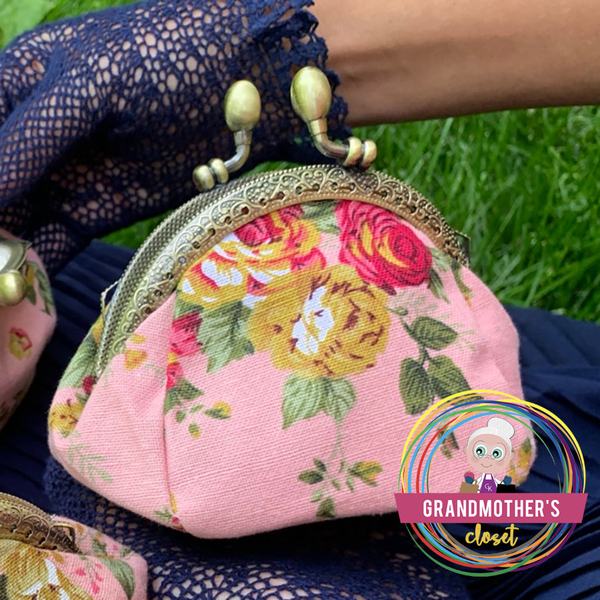
Grandmother's Vintage Style Coin Purse
From $12.95 USD Sale

Grandmother's Mini Coin Purse
From $9.00 USD Sale
More Canning, Jams & Preserves
 Canning, Jams & PreservesThe Best Sweet Pickled Beets Recipe | How to Make and Can Homemade Pickled Beets
 Canning, Jams & PreservesHow to Can Cherries: Preserve Summer's Sweetness with This Step-by-Step Guide
 Canning, Jams & PreservesHow to Make and Can Tomato Salsa: A Fun and Flavorful Tradition
 Canning, Jams & PreservesHow to Can Peaches: Easy Step-by-Step Guide to Preserving Summer's Sweetness Using Sugar or Honey Syrup