Home › Breads, Muffins & Breakfast
Breads, Muffins & Breakfast · October 15, 2025
Mastering the Perfect Cheese & Ham Omelet: A Delicious Start to Your Day
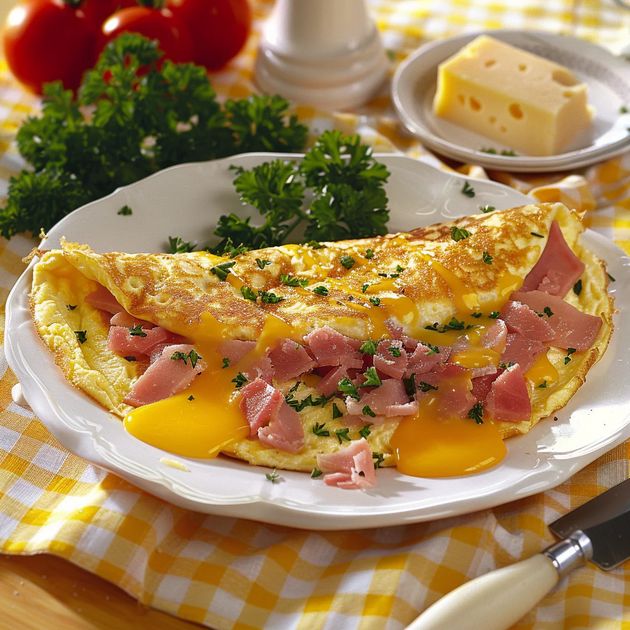
Ingredients
Directions
- Whisk the Eggs:
- In a medium bowl, whisk together the eggs, milk, salt, and black pepper until well combined.
- Heat the Skillet:
- Heat a non-stick skillet over medium heat and add the butter. Allow it to melt and coat the bottom of the skillet.
- Cook the Ham:
- Add the diced ham to the skillet and cook for 2-3 minutes until lightly browned.
- Cook the Omelet:
- Pour half of the egg mixture over the ham in the skillet. Let it cook undisturbed for 1-2 minutes until the edges start to set.
- Add the Cheese:
- Sprinkle half of the shredded cheddar cheese evenly over one half of the omelet.
- Fold the Omelet:
- Using a spatula, gently fold the other half of the omelet over the cheese side. Continue to cook for another 2-3 minutes until the cheese is melted and the eggs are fully cooked.
- Repeat:
- Repeat steps 4-6 for the second omelet.
- Serve:
- Carefully slide the omelets onto plates and garnish with fresh parsley, if desired.
- Calories, 300, Protein, 20g, Carbohydrates, 3g, Fiber, 0g, Net Carbohydrates, 3g, Fat, 24g, Saturated Fat, 11g, Cholesterol, 350mg, Sodium, 800mg, Sugars, 1g, Glycemic Index, Low
 How I Mastered Making a Simple Omelet
When I first started learning to cook, the idea of making a perfect omelet seemed like an intimidating task. I remember standing in the kitchen, determined to master the art of a simple omelet before venturing into more complex variations. My biggest challenge was breaking the eggs without getting bits of eggshell into the mixture. After a few failed attempts, I realized that breaking each egg into a separate bowl first was the key to avoiding a crunchy surprise in my omelet. The first time I made a perfectly smooth and shell-free omelet, I felt so proud of myself—it was a small victory that marked the beginning of my cooking journey. From that day on, I gradually began adding fillings like cheese and ham, each time feeling more confident in my skills. Making a good omelet became my go-to breakfast, a quick and easy meal that I knew I could master.
Did You Know?
Eggs are a fantastic source of high-quality protein and essential nutrients like choline, which is important for brain health. Ham adds a savory flavor and additional protein, while cheddar cheese provides calcium and a rich, creamy texture. Fun fact: The omelet, a staple in many cuisines, originated in ancient Persia and was later popularized in France!
Nutritional Information (Per Serving):
Calories, 300, Protein, 20g, Carbohydrates, 3g, Fiber, 0g, Net Carbohydrates, 3g, Fat, 24g, Saturated Fat, 11g, Cholesterol, 350mg, Sodium, 800mg, Sugars, 1g, Glycemic Index, Low
Kitchen Tips, Great Ideas, How to Save Money
- Using Fresh Ingredients: Fresh eggs and high-quality ham can make a big difference in the flavor of your omelet. Look for local or farm-fresh options when possible.
- Whisking Technique: Whisking the eggs thoroughly incorporates air, which helps make the omelet light and fluffy.
- Non-stick Skillet: Using a non-stick skillet makes it easier to cook the omelet without sticking and reduces the need for excessive butter or oil.
- Ham Alternatives: If you prefer, you can use cooked bacon, sausage, or even leftover roast chicken instead of ham. These can add different flavors and textures to your omelet.
- Cheese Variations: Feel free to experiment with different types of cheese, such as Swiss, mozzarella, or pepper jack, for a unique twist on the classic omelet.
- Adding Vegetables: Incorporate diced vegetables like bell peppers, onions, or mushrooms to add more nutrients and flavor. Sauté them with the ham before adding the eggs.
- Portion Control: Making individual omelets ensures even cooking and proper portion control. It also allows for customization if different family members prefer different fillings.
- Leftover Ham: If you have leftover ham from a previous meal, this is a great way to use it up and reduce food waste.
- Serving Suggestions: Serve the omelet with a side of whole-grain toast, fresh fruit, or a simple green salad to round out the meal.
- Cost-Saving Tips: Buy cheese and ham in bulk when they are on sale, and store them properly to extend their shelf life. You can also use store-brand ingredients to cut costs without sacrificing quality.
What I Have Learned About Eggs
Over time, I’ve learned quite a bit about the different types of eggs available. Free-run, free-range, and regular eggs each have their distinctions. Free-run eggs come from hens that roam freely inside a barn, while free-range eggs come from hens that have access to the outdoors. Regular eggs are typically from hens kept in cages. After learning about these differences, I decided to only buy free-range eggs. The taste and quality are worth the slightly higher cost, and it feels good to support more humane farming practices. Eggs have become a staple in my kitchen, not just for omelets but for a variety of dishes, and choosing the right kind of eggs makes all the difference.
Shop Grandma's favourites
Eight pieces Heidi & Nancy love — to wear in the kitchen or gift to someone who loves to cook. Free shipping over $75 USD.
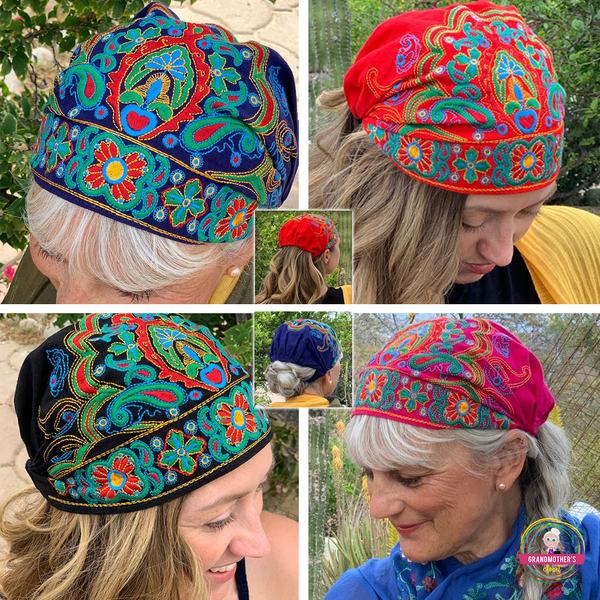
Embroidered Bandana Caps
From $19.00 USD Sale
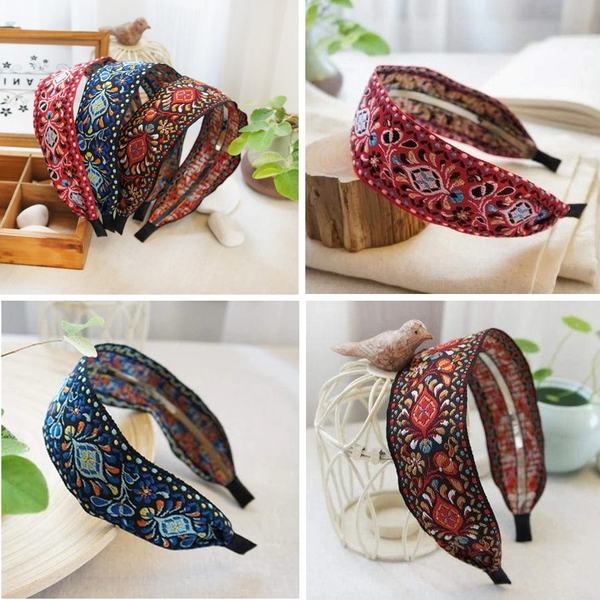
Sweet Embroidered Headbands
From $12.00 USD Sale
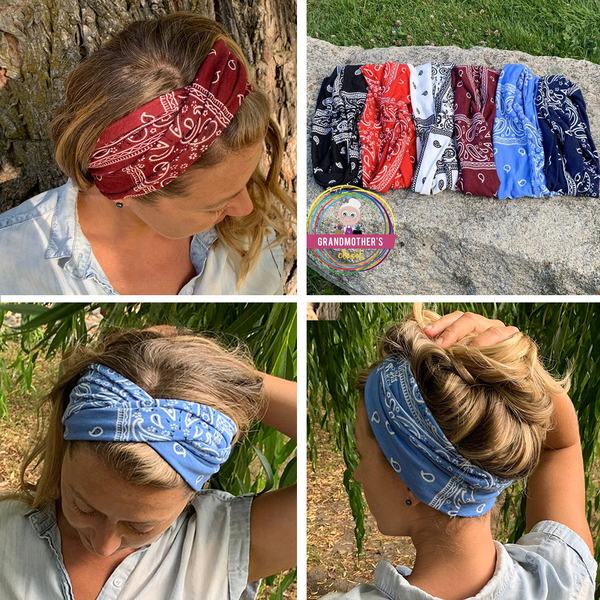
Soft Retro Headbands
From $15.95 USD Sale

Tie Dye Bandana Hair Wrap
From $19.00 USD Sale

The Classic Apron
From $29.95 USD Sale
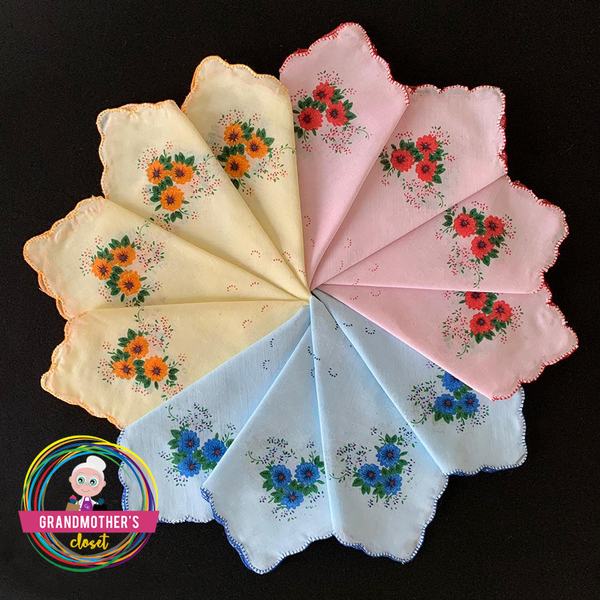
Set of 12 - Cotton Flower Handkerchiefs
$22.00 USD
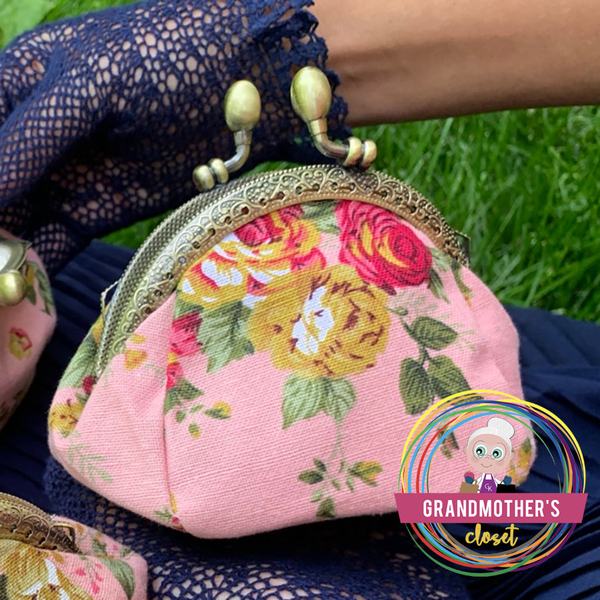
Grandmother's Vintage Style Coin Purse
From $12.95 USD Sale
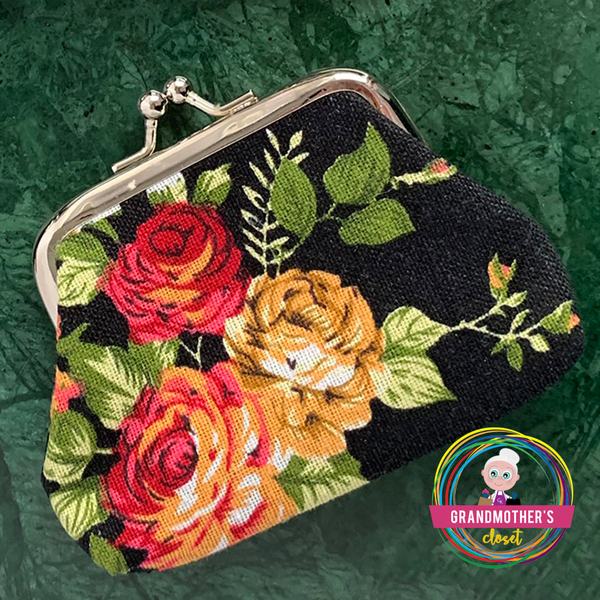
Grandmother's Mini Coin Purse
From $9.00 USD Sale