
Home › Canning, Jams & Preserves
Canning, Jams & Preserves · September 26, 2025
How to Make Homemade Orange Marmalade | Traditional and Low-Sugar Recipes
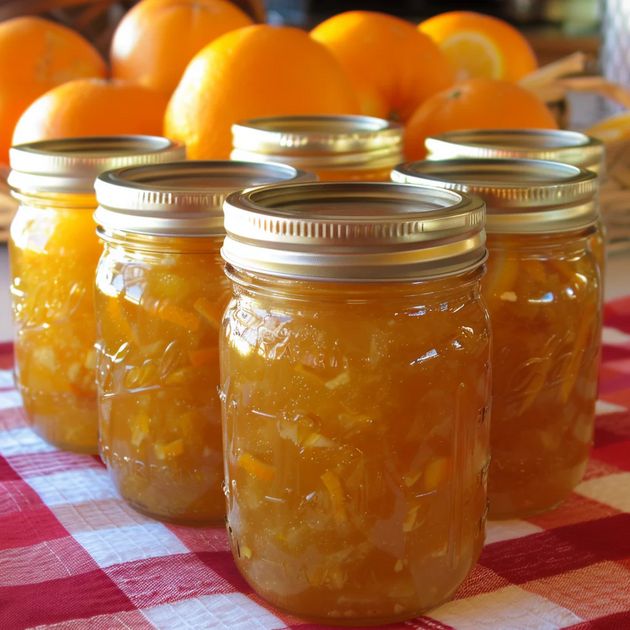
Ingredients
Directions
- Wash the oranges and lemons thoroughly.
- Peel the fruit, reserving the peel, and remove any seeds.
- Slice the peel into thin strips and chop the fruit into small pieces.
- In a large pot, combine the chopped fruit, peel, and water.
- Bring to a boil, then reduce heat and simmer for about 45 minutes, or until the peel is tender.
- Add the sugar to the pot and stir until dissolved.
- Increase the heat and bring the mixture to a rolling boil.
- Cook for about 15-20 minutes, or until the marmalade reaches the desired setting point (220°F or 105°C).
- Ladle the hot marmalade into prepared, sterilized jars, leaving 1/4-inch headspace.
- Wipe jar rims and cover with lids.
- Process the jars in a boiling water bath for 10 minutes.
- Remove and let cool.
- Check seals after 24 hours.
- Store in a cool, dark place.
- Wash the oranges and lemons thoroughly.
- Peel the fruit, reserving the peel, and remove any seeds.
- Slice the peel into thin strips and chop the fruit into small pieces.
- In a large pot, combine the chopped fruit, peel, and water.
- Bring to a boil, then reduce heat and simmer for about 45 minutes, or until the peel is tender.
- Stir in the low-sugar pectin.
- Bring the mixture to a rolling boil, then add the sugar gradually, stirring until dissolved.
- Boil for an additional 5 minutes, or until the marmalade reaches the desired setting point (220°F or 105°C).
- Ladle the hot marmalade into prepared, sterilized jars, leaving 1/4-inch headspace.
- Wipe jar rims and cover with lids.
- Process the jars in a boiling water bath for 10 minutes.
- Remove and let cool.
- Check seals after 24 hours.
- Store in a cool, dark place.
For Those Days You Are Craving A Little Tart and Tang On Your Toast When I was younger, I never imagined myself making marmalade. After all, oranges don't grow where I live, so it was always something special—a treat from a far-off place. My mother made it on occasion but it was not a staple in our home. As I grew...
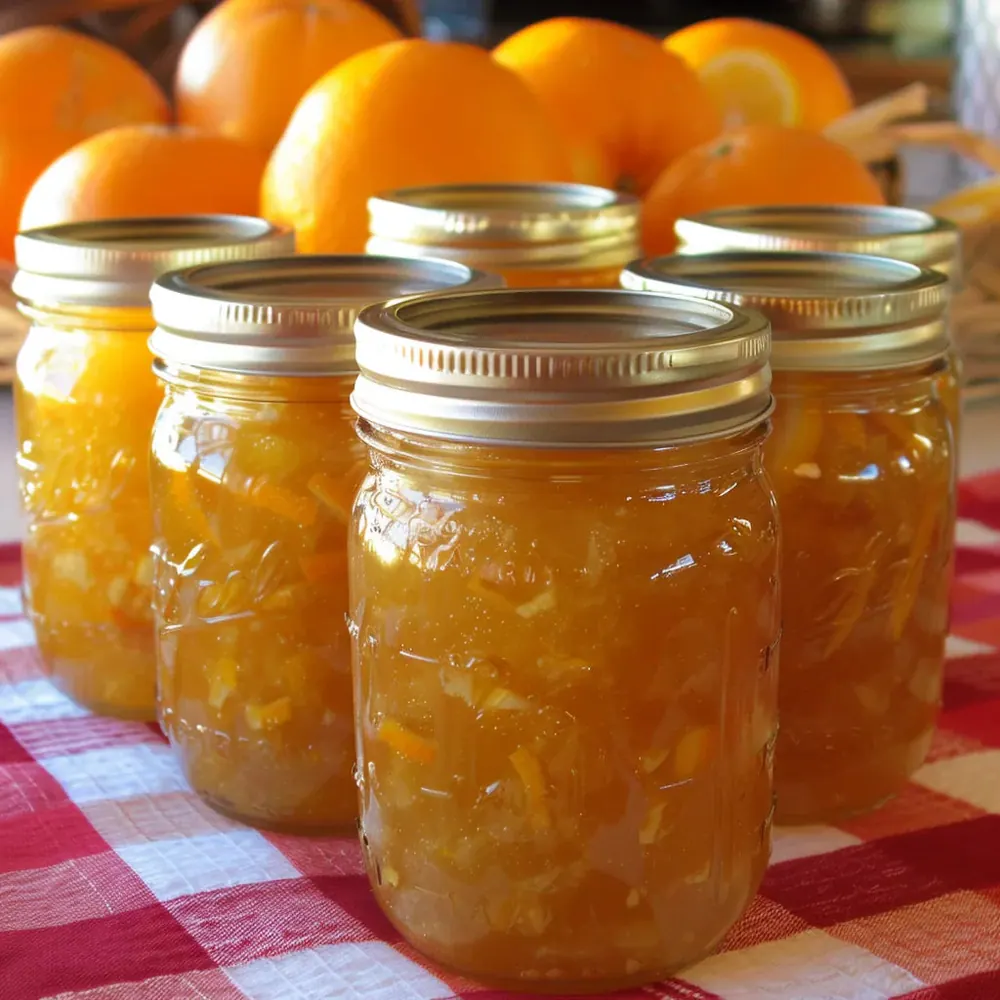 For Those Days You Are Craving A Little Tart and Tang On Your Toast
When I was younger, I never imagined myself making marmalade. After all, oranges don't grow where I live, so it was always something special—a treat from a far-off place. My mother made it on occasion but it was not a staple in our home. As I grew older, my curiosity led me to try making all kinds of things, just to have a variety in my pantry. My love for marmalade started during my backpacking days in Europe in the 70s. It was the era of exploration and staying in hostels, where breakfasts were simple but delightful. I remember those mornings, sitting at a communal table with travelers from all over the world, sharing stories over bread, rolls, and an assortment of jams and marmalades. The tangy sweetness of orange marmalade stood out, a new taste that quickly became a favorite. It was a far cry from the homemade jams I grew up with, but it resonated with the adventurous spirit of that time.
Did You Know?
Marmalade, a classic British breakfast staple, has its origins in Britain and has been enjoyed for centuries. The word "marmalade" is believed to come from the Portuguese word "marmelo," meaning quince. While traditional British marmalade is made with bitter Seville oranges, you can use a variety of oranges to achieve that tangy-sweet flavor.
Nutritional Information (Per Tablespoon)
- Traditional Orange Marmalade: Calories: 50, Protein: 0g, Carbohydrates: 13g, Fat: 0g, Sugars: 12g
- Low-Sugar Orange Marmalade: Calories: 25, Protein: 0g, Carbohydrates: 6g, Fat: 0g, Sugars: 5g
Impact of Using Less Sugar or Honey on Marmalade Texture
When reducing sugar or substituting it with honey in marmalade recipes, the texture may change in several ways:
- Setting and Firmness: Sugar helps marmalade set by binding with the pectin in the fruit. Less sugar or using honey can result in a softer set or a more liquid consistency.
- Cooking Time: Marmalade with less sugar might need a longer cooking time to thicken. However, extended cooking can concentrate flavors, leading to a richer, potentially darker marmalade.
- Moisture Content: Sugar draws out moisture, crucial for the right texture. Less sugar means more moisture, leading to a runnier consistency.
- Preservation: Sugar acts as a preservative. Marmalade with less sugar might have a shorter shelf life and require refrigeration.
- Texture Adjustments: To offset reduced sugar, use low-sugar pectin, designed to gel with less sugar. Longer cooking and proper sterilization also help maintain quality.
Kitchen Tips, Great Ideas, How to Save Money
1. Choosing Oranges: Use fresh, ripe oranges for the best flavor. Seville oranges are ideal for traditional marmalade. Buying in bulk during peak season saves money.
2. Sterilizing Jars: Ensure jars are properly sterilized by boiling them for at least 10 minutes before filling. This step is vital for food safety.
3. Lemon Juice: Fresh lemon juice enhances flavor and aids in setting the marmalade. Bottled lemon juice can also be used effectively.
4. Using a Food Processor: For smoother texture, chop the peel using a food processor. Avoid pureeing completely for desirable texture.
5. Reducing Foam: Adding a small pat of butter to the boiling marmalade can reduce foaming, resulting in a clearer final product.
6. Testing for Set: To check if the marmalade is set, place a small amount on a chilled plate. It’s ready if it wrinkles when pushed with your finger.
7. Storage Tips: Store properly sealed jars in a cool, dark place for up to a year. After opening, refrigerate and use within a month.
8. Reuse and Recycle: Save money by reusing jars from store-bought products. Ensure they are properly sterilized before use.
9. Gift Idea: Homemade marmalade makes a wonderful gift. Decorate jars with ribbons and labels for a personal touch.
10. Experiment with Flavors: Add a twist by incorporating other citrus fruits like grapefruit or lemon, or spices like ginger or cardamom for a gourmet touch.
Let's Learn A Little Bit About Oranges
Oranges are one of the world’s most popular fruits, enjoyed for their sweet-tart flavor and vibrant color. They’re believed to have originated in Southeast Asia, and today, they are cultivated worldwide, with major producers including the United States, Brazil, and Spain. Oranges are rich in vitamin C, dietary fiber, and various antioxidants, making them a nutritious choice for any diet. Whether you prefer sweet varieties like Navel or the tangier Seville oranges, this versatile fruit is a staple in kitchens around the globe.
Shop Grandma's favourites
Eight pieces Heidi & Nancy love — to wear in the kitchen or gift to someone who loves to cook. Free shipping over $75 USD.
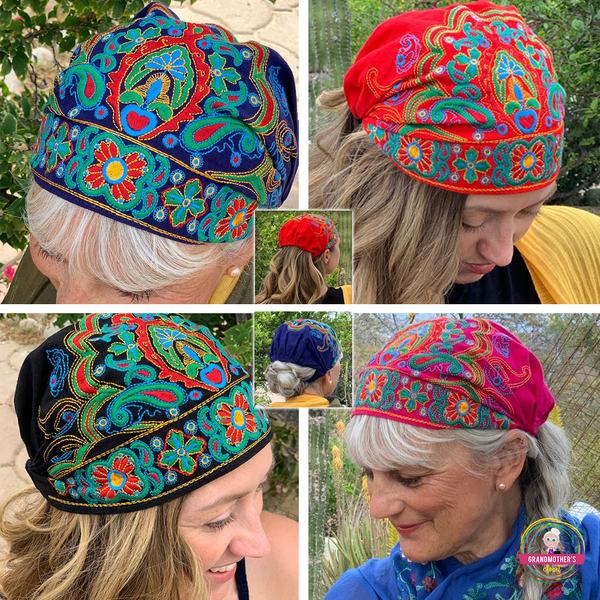
Embroidered Bandana Caps
From $19.00 USD Sale
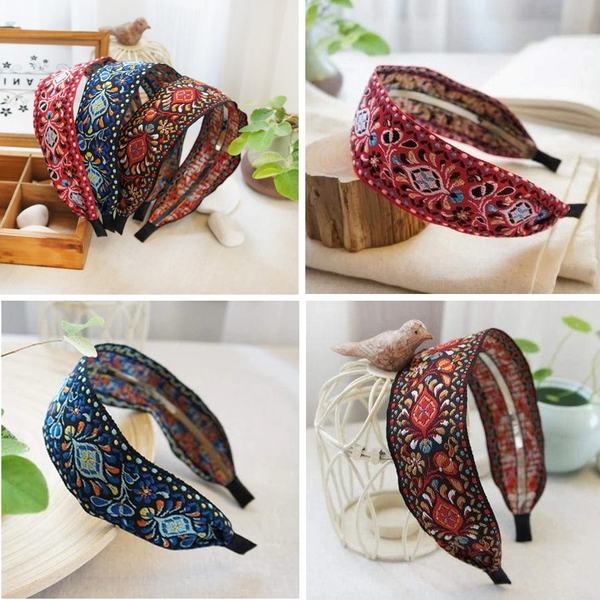
Sweet Embroidered Headbands
From $12.00 USD Sale
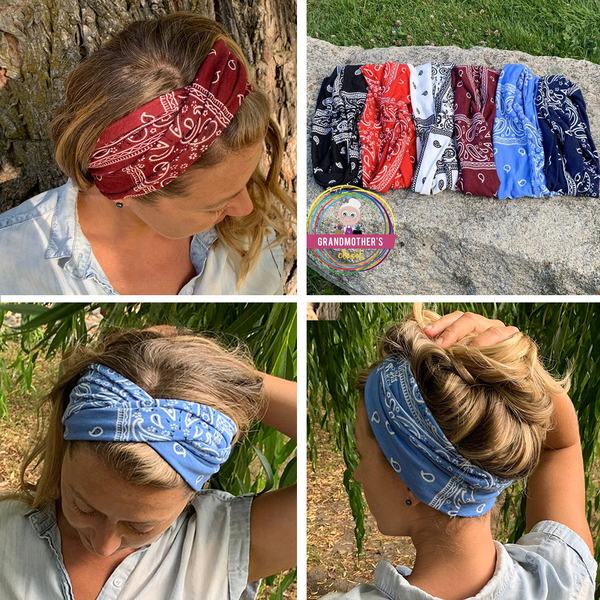
Soft Retro Headbands
From $15.95 USD Sale
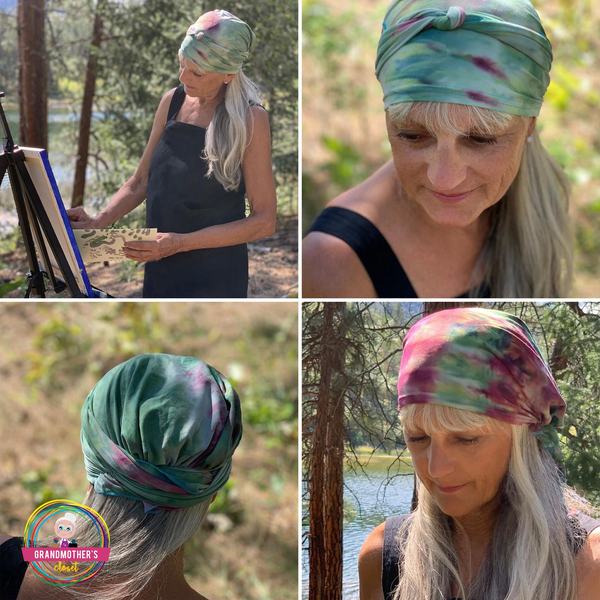
Tie Dye Bandana Hair Wrap
From $19.00 USD Sale
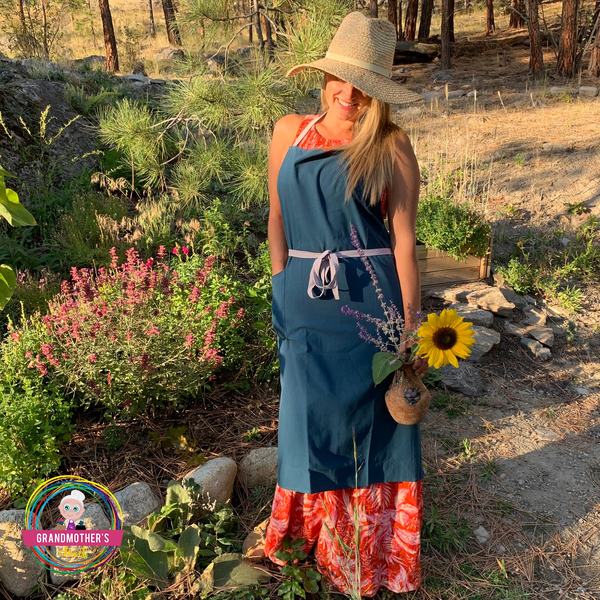
The Classic Apron
From $29.95 USD Sale
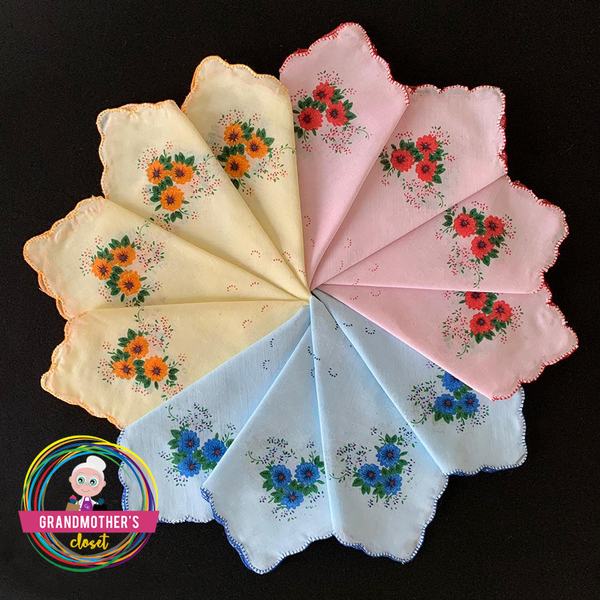
Set of 12 - Cotton Flower Handkerchiefs
$22.00 USD
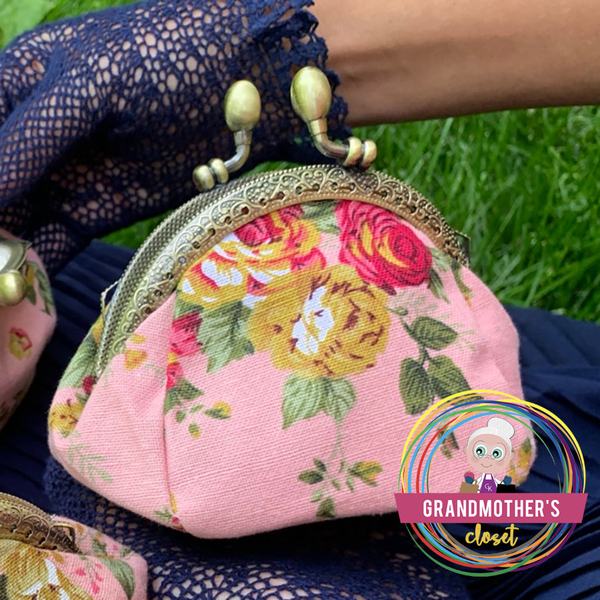
Grandmother's Vintage Style Coin Purse
From $12.95 USD Sale
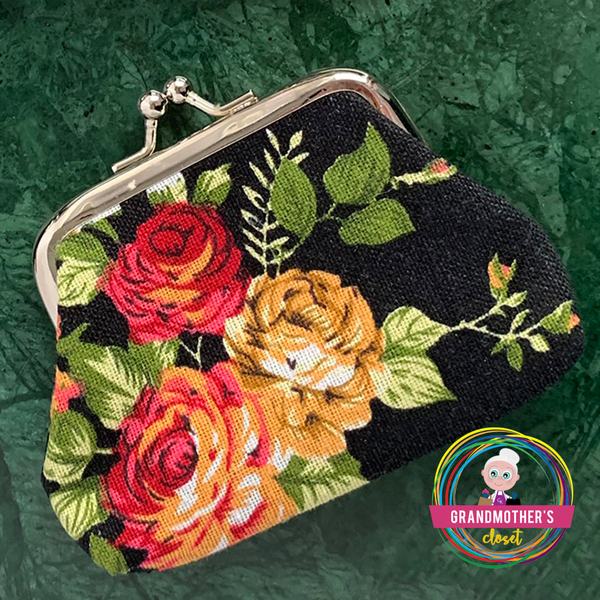
Grandmother's Mini Coin Purse
From $9.00 USD Sale
More Canning, Jams & Preserves
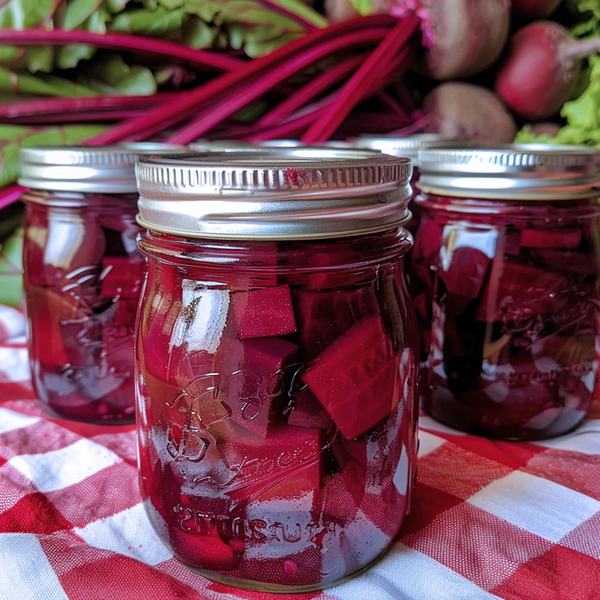 Canning, Jams & PreservesThe Best Sweet Pickled Beets Recipe | How to Make and Can Homemade Pickled Beets
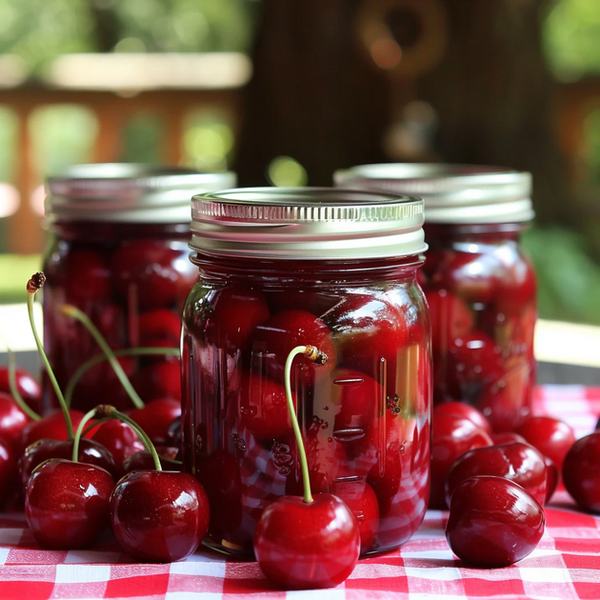 Canning, Jams & PreservesHow to Can Cherries: Preserve Summer's Sweetness with This Step-by-Step Guide
 Canning, Jams & PreservesHow to Make and Can Tomato Salsa: A Fun and Flavorful Tradition
 Canning, Jams & PreservesHow to Can Peaches: Easy Step-by-Step Guide to Preserving Summer's Sweetness Using Sugar or Honey Syrup