Salads & Sides · September 30, 2025
Fresh Garden Salad with Creamy Herb Dressing | A Colorful and Nutritious Recipe
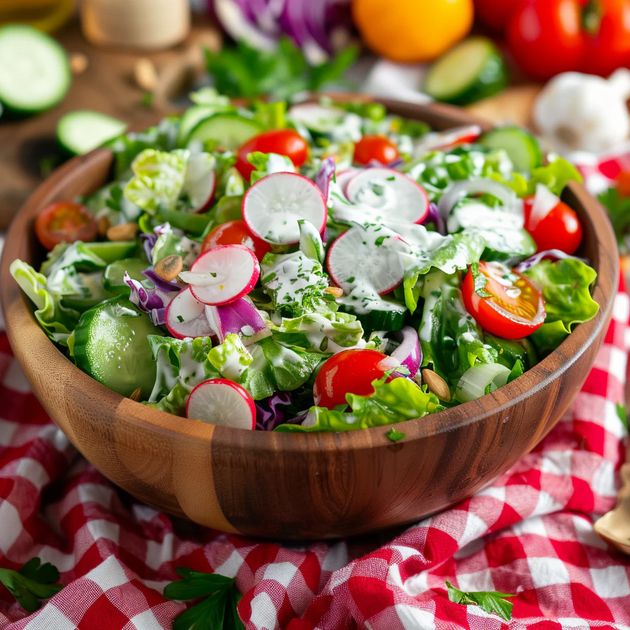
Ingredients
Directions
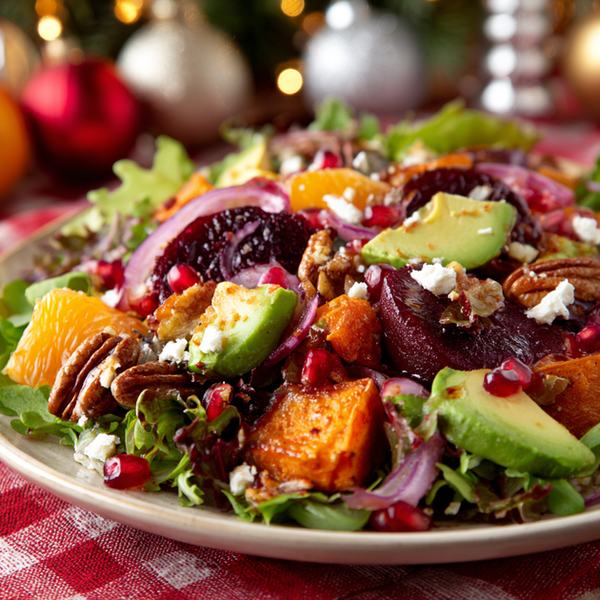
- In a large bowl, combine the mixed lettuce greens, sliced radishes, green onions, cherry tomatoes, cucumber slices, shredded purple cabbage, and sunflower seeds.
- Gently toss the ingredients together until evenly mixed.
- Wash and roughly chop the parsley and thyme. Measure out the grapeseed oil or light olive oil, apple cider vinegar, honey, grated Parmesan cheese, and sunflower seeds.
- Place the grapeseed oil, apple cider vinegar, honey, grated Parmesan cheese, sunflower seeds, parsley, thyme, salt, and pepper into a blender. Blend on high until the mixture is smooth and creamy.
- Taste the dressing and adjust the seasoning if necessary.
- Transfer the dressing to a clean jar with a lid and refrigerate. Shake well before each use.
 A Salad Even Non-Salad Lovers Will Enjoy
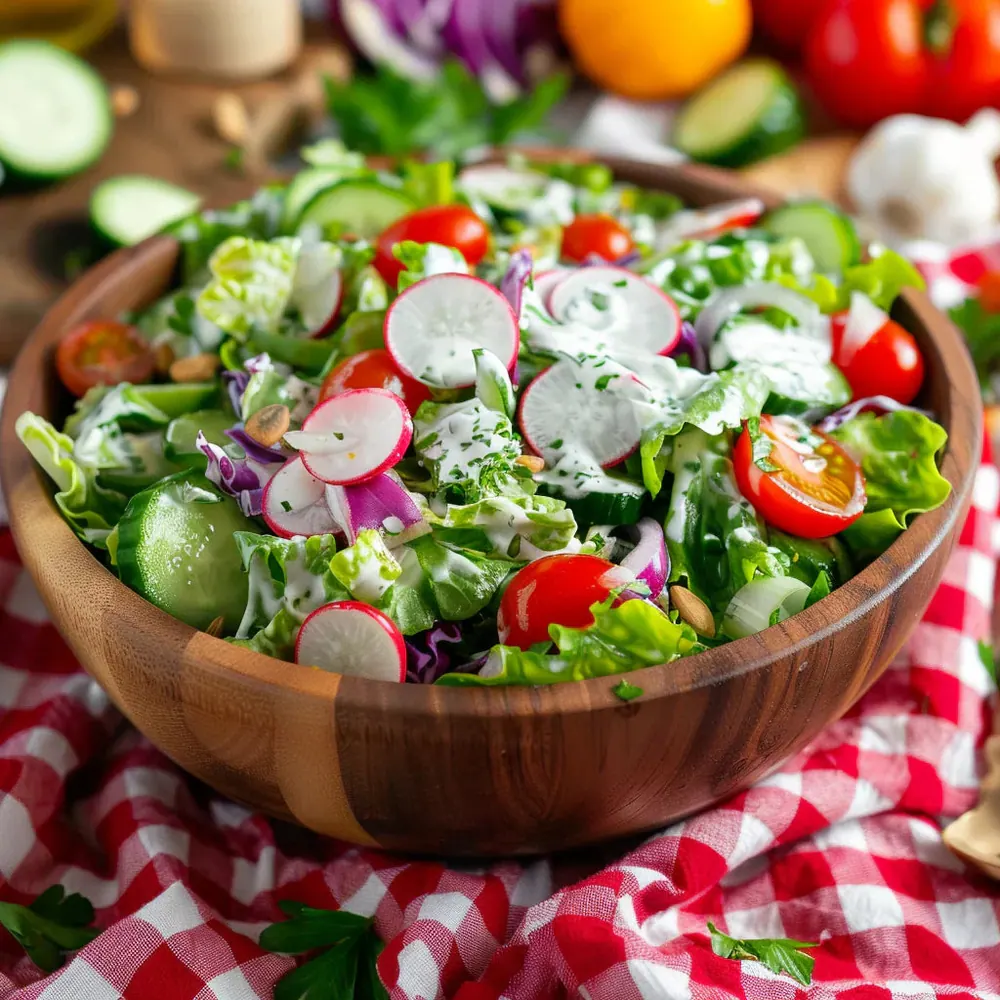
I’ll be honest—getting everyone excited about eating salad isn't always easy. But this Fresh Garden Salad with Creamy Herb Dressing can be a game changer. There’s something about the rich, tangy dressing that turns even the most hesitant eaters into salad fans. It’s creamy, herby, and just the right balance of flavors that make every bite delicious. The fresh veggies add texture and color, making this salad as visually appealing as it is tasty. I’ve seen non-salad eaters go back for seconds, which is a victory in my book! The best part? It’s so easy to put together, and with all those fresh ingredients, it feels like a treat that’s actually good for you.
Did You Know?
Sunflower seeds are a powerhouse of nutrition, packed with healthy fats, protein, and fiber. They are particularly rich in vitamin E, a potent antioxidant that helps protect your cells from damage. Additionally, sunflower seeds provide essential minerals like magnesium, selenium, and copper, which support various bodily functions, including heart health and immune system strength. Including sunflower seeds in your diet can also contribute to better skin health due to their high content of linoleic acid, a type of omega-6 fatty acid. Adding them to this salad not only enhances the flavor and texture but also boosts its nutritional profile, making it a wholesome choice for any meal.
Nutritional Information (Per Serving): Calories, 370 | Protein, 6g | Carbohydrates, 22g | Fiber, 6g | Net Carbohydrates, 16g | Fat, 31g | Saturated Fat, 5g | Cholesterol, 10mg | Sodium, 320mg | Sugars, 10g | Glycemic Index, Low
Kitchen Tips, Great Ideas, How to Save Money
-
Choosing Fresh Ingredients: Select the freshest vegetables for the best flavor and nutrition. Look for firm and vibrant lettuce, radishes, and cucumbers. Fresh vegetables retain more nutrients and provide better texture.
-
Storing Greens: Keep your lettuce and other leafy greens fresh by storing them in a refrigerator crisper drawer. Wrap them in a damp paper towel and place them in a resealable plastic bag.
-
Sunflower Seeds: Buying sunflower seeds in bulk can save money. Store them in an airtight container in the refrigerator to keep them fresh longer and prevent them from going rancid.
-
Herb Substitutes: If you don't have fresh parsley or thyme, you can use dried herbs. Use one-third the amount of dried herbs as you would fresh ones, as dried herbs are more concentrated.
-
Making Ahead: Prepare the salad ingredients and dressing separately and store them in the refrigerator. Combine just before serving to ensure the salad stays crisp and fresh.
-
Dressing Variations: Experiment with different herbs and ingredients for your dressing. Adding a tablespoon of Dijon mustard or a splash of balsamic vinegar can change the flavor profile.
-
Budget-Friendly Vegetables: Buying vegetables in season is often cheaper and they taste better. Farmers' markets can be a good source of fresh, affordable produce.
-
Nutritional Boost: Add other nutrient-dense toppings to your salad like avocado slices, boiled eggs, or chickpeas to increase the protein and healthy fat content.
-
Serving Suggestions: This salad pairs well with grilled chicken, fish, or tofu for a complete meal. Serve with a side of whole-grain bread for added fiber and nutrients.
-
Leftovers: Store any leftover salad in an airtight container in the refrigerator. The salad can last up to two days, but it's best enjoyed fresh. If the dressing has been added, the greens may become soggy, so keep the dressing separate until ready to serve.
Exploring Different Oils for Salad Dressings
When it comes to making a good salad dressing, the type of oil you choose can really change the flavor of the dish. Stronger oils like extra virgin olive oil have a bold, peppery flavor that can stand up to hearty greens like kale, but they can overpower more delicate ingredients. Lighter oils like grapeseed or light olive oil are more neutral and allow the herbs and other ingredients to shine. One thing I’ve learned is that olive oil tends to harden when stored in the fridge, so I always take it out a few minutes before using it to let it soften up.
Shop Grandma's favourites
Eight pieces Heidi & Nancy love — to wear in the kitchen or gift to someone who loves to cook. Free shipping over $75 USD.

Embroidered Bandana Caps
From $19.00 USD Sale

Sweet Embroidered Headbands
From $12.00 USD Sale

Soft Retro Headbands
From $15.95 USD Sale

Tie Dye Bandana Hair Wrap
From $19.00 USD Sale

The Classic Apron
From $29.95 USD Sale
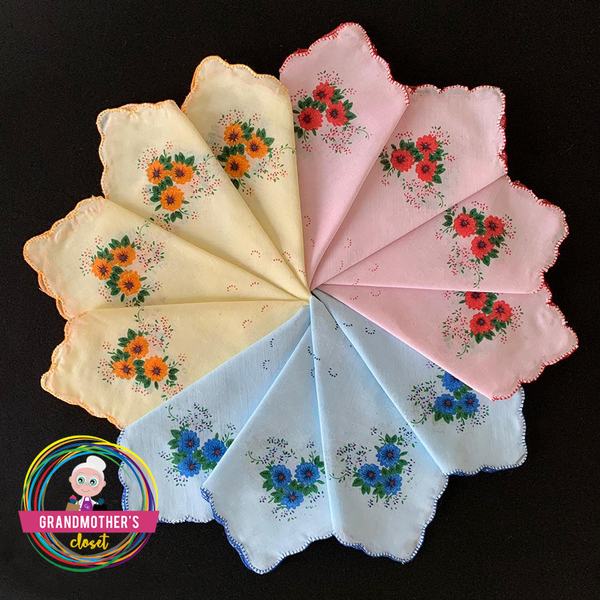
Set of 12 - Cotton Flower Handkerchiefs
$22.00 USD

Grandmother's Vintage Style Coin Purse
From $12.95 USD Sale
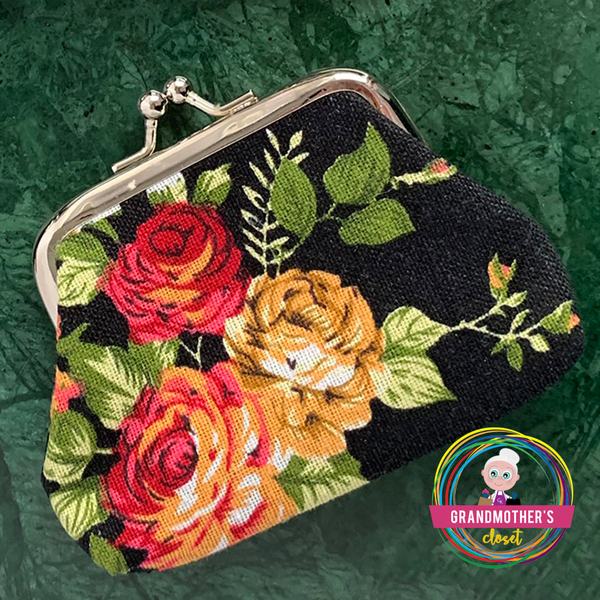
Grandmother's Mini Coin Purse
From $9.00 USD Sale