Salads & Sides · October 15, 2025
Discover the Freshness of Greek Salad with Feta: A Wholesome Mediterranean Meal
Ingredients
Directions
- Assemble Salad:
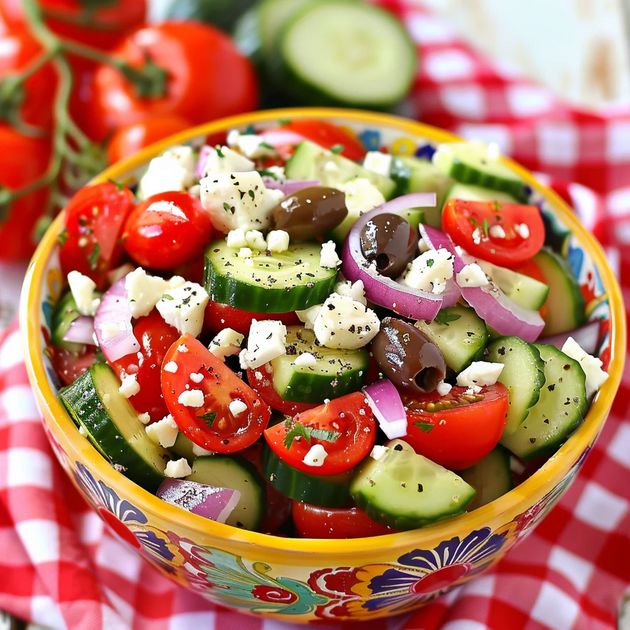
- Combine cucumbers, tomatoes, bell peppers, red onion, and olives in a bowl.
- Make Dressing:
- Whisk together olive oil, red wine vinegar, oregano, salt, and pepper.
- Dress Salad:
- Pour the dressing over the salad and toss gently.
- Serve:
- Top with crumbled feta cheese and enjoy immediately.
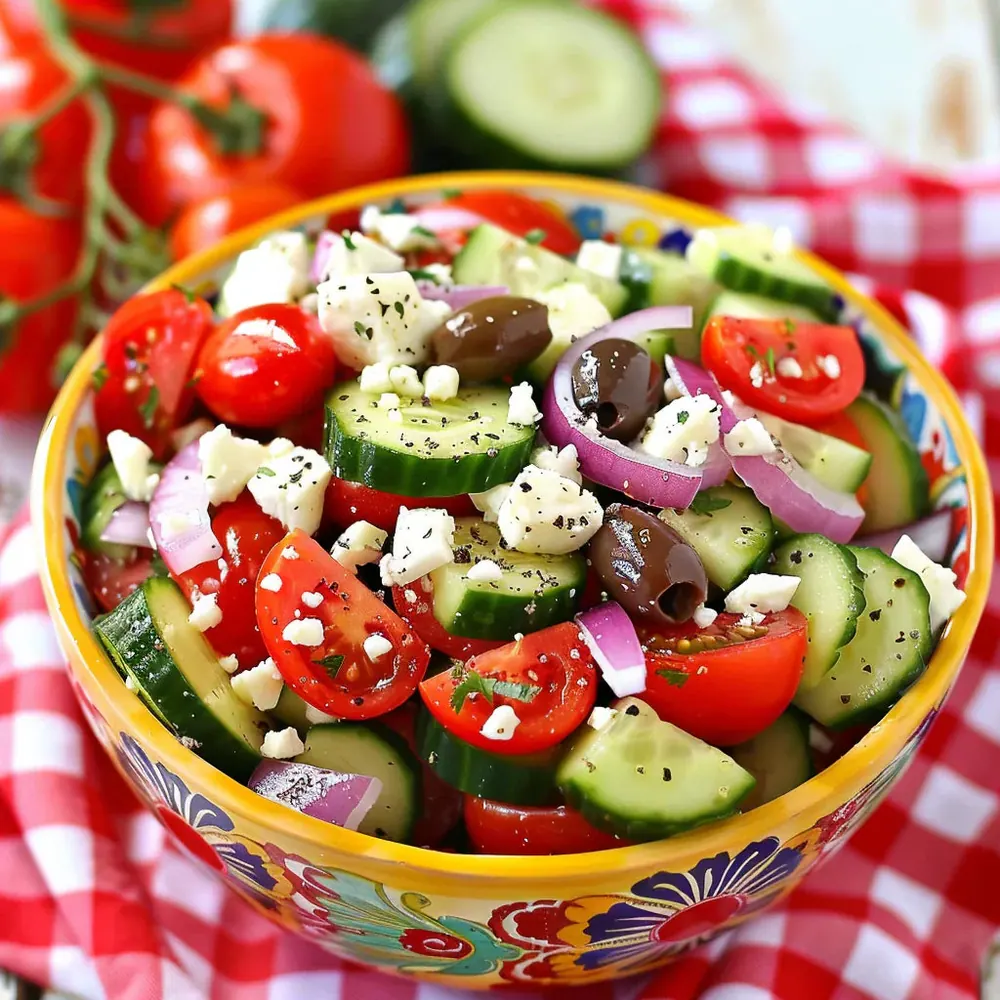 Greek Salad is a refreshing and vibrant dish, perfect for a light lunch or as a side to your main meal.
In my kitchen, the vibrant colors of fresh vegetables are always a welcome sight. There’s something deeply satisfying about creating a meal that’s not only delicious but also full of life and color. Greek salad has become a favorite dish when I crave something light yet fulfilling. It’s a meal in itself, especially when paired with a slice of toasted bread. I love heading to the garden to pick the freshest cucumbers and tomatoes in season or visiting the local natural food store to select organic produce. The crispness of a well-chosen cucumber, the juicy sweetness of ripe tomatoes, and the briny bite of Kalamata olives—these are the simple pleasures that make me feel good about the food I’m eating. While my approach to eating might not be for everyone, I’ve found that being mindful of where my food comes from and how it’s prepared has brought a sense of joy and well-being that’s hard to beat.
Did You Know?
Kalamata olives are not just flavorful; they are also rich in nutrients. These olives are an excellent source of healthy monounsaturated fats, which are beneficial for heart health. They also contain antioxidants, which help protect your cells from damage. Kalamata olives are low in cholesterol and provide a good source of dietary fiber, iron, and copper. Their rich, slightly bitter flavor adds depth to dishes like this Greek salad, making them a delicious and nutritious addition to your meals.
Nutritional Information (Per Serving):
Calories, 200 | Protein, 4g | Carbohydrates, 10g | Fiber, 3g | Net Carbohydrates, 7g | Fat, 18g | Saturated Fat, 5g | Cholesterol, 15mg | Sodium, 500mg | Sugars, 5g | Glycemic Index, Low
Kitchen Tips, Great Ideas, How to Save Money:
- Using Fresh vs. Canned Olives: Fresh Kalamata olives offer a richer flavor, but canned olives can be a more convenient and cost-effective option. Just be sure to rinse them well to reduce sodium content.
- Bulk Buying: Purchase olive oil, vinegar, and spices in bulk to save money. These pantry staples have a long shelf life and can be used in a variety of recipes.
- Homemade Dressing: Making your own salad dressing is more cost-effective and healthier than store-bought versions. You can control the ingredients and avoid unnecessary preservatives.
- Seasonal Vegetables: Use vegetables that are in season to get the best flavor and price. Seasonal produce is often fresher and more affordable.
- Cheese Alternatives: If feta cheese is too expensive or not to your taste, try using a less expensive cheese like ricotta salata or even crumbled goat cheese as a substitute.
- Batch Cooking: Prepare larger quantities of the salad ingredients and store them separately in the fridge. This makes it easy to assemble a quick salad for the next few days.
- Reducing Food Waste: Use any leftover salad ingredients in other recipes. For example, chopped vegetables can be added to omelets, wraps, or grain bowls.
- Flavor Enhancements: Add a splash of lemon juice or a sprinkle of fresh herbs like parsley or dill for an extra burst of flavor. Fresh herbs can elevate the taste of your salad significantly.
- Storage Tips: Store the dressing separately if you plan to make the salad ahead of time. This keeps the vegetables fresh and crisp until you're ready to eat.
- Cost-Saving Tips: Look for sales and discounts on fresh produce and other ingredients. Buying in-season and from local farmers' markets can also provide high-quality items at lower prices.
The Differences in Feta Cheese:
Feta cheese is traditionally made from sheep's milk or a mixture of sheep and goat's milk, giving it a distinctive tangy and sharp flavor. However, dairy feta, commonly found in many supermarkets, is often made from cow's milk. This version is typically milder and creamier compared to traditional feta.
Greek feta, known for its robust tanginess and crumbly texture, is the most recognized type. It’s made primarily from sheep's milk, sometimes mixed with goat's milk, and has a sharp, briny flavor. French feta tends to be milder and creamier, making it a good choice for those who prefer a less intense taste. Bulgarian feta is quite salty and firm, offering a strong flavor that pairs well with sweet or fruity dishes.
Dairy feta, made from cow's milk, lacks the distinct tang of traditional feta and has a creamier, less crumbly texture. It’s often less expensive and is commonly used in salads, sandwiches, and other dishes where a milder flavor is preferred. Understanding these differences allows you to choose the right type of feta for your recipes, enhancing the overall taste and texture of your dish.
Shop Grandma's favourites
Eight pieces Heidi & Nancy love — to wear in the kitchen or gift to someone who loves to cook. Free shipping over $75 USD.

Embroidered Bandana Caps
From $19.00 USD Sale

Sweet Embroidered Headbands
From $12.00 USD Sale

Soft Retro Headbands
From $15.95 USD Sale

Tie Dye Bandana Hair Wrap
From $19.00 USD Sale

The Classic Apron
From $29.95 USD Sale
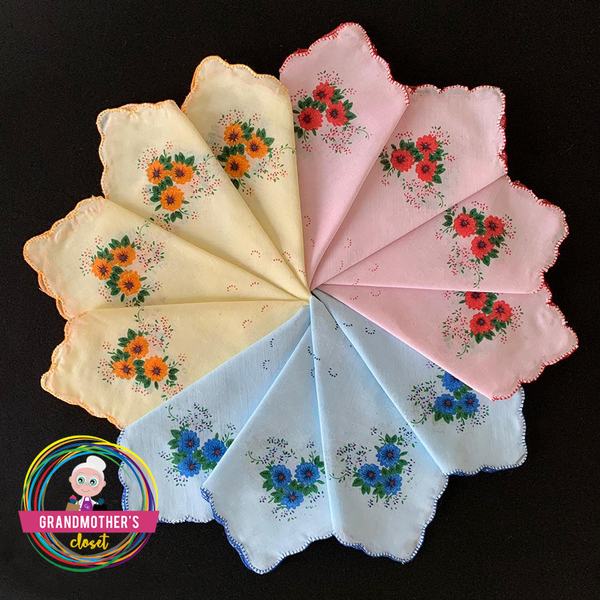
Set of 12 - Cotton Flower Handkerchiefs
$22.00 USD

Grandmother's Vintage Style Coin Purse
From $12.95 USD Sale

Grandmother's Mini Coin Purse
From $9.00 USD Sale