Salads & Sides · October 17, 2025
Chopped Chicken Salad: A Fresh and Colorful Summer Picnic Recipe
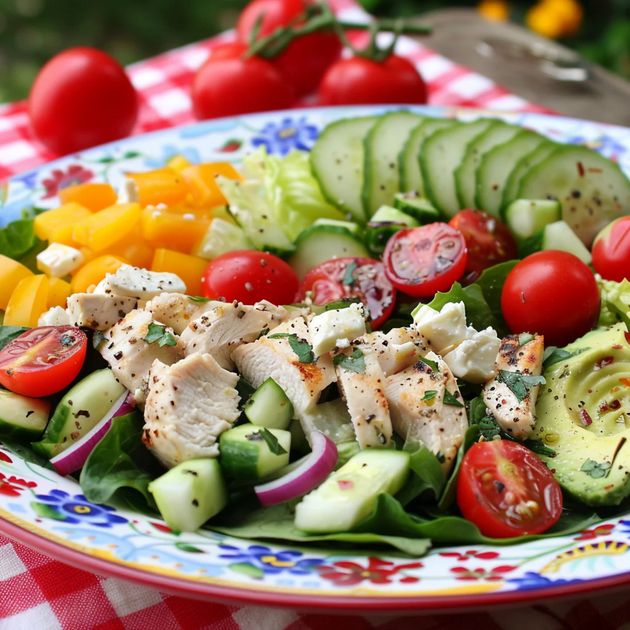
Ingredients
Directions
- Prepare the Dressing:
- In a small bowl, whisk together olive oil, red wine vinegar, salt, and pepper.
- Assemble the Salad:
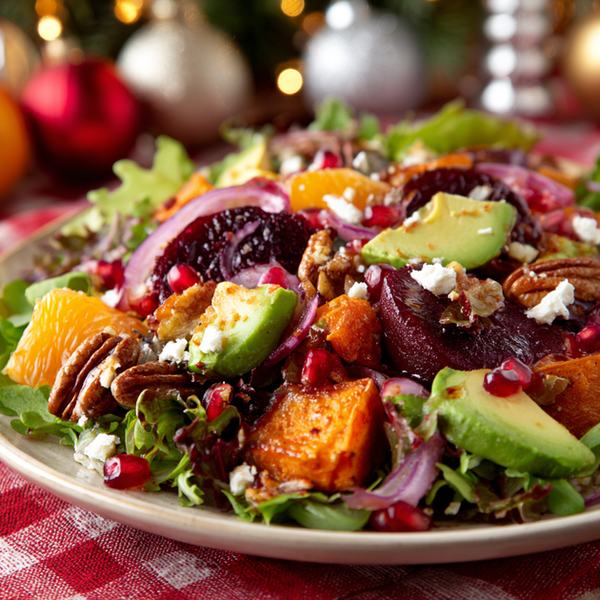
- In a large bowl, combine mixed greens, chicken, cherry tomatoes, cucumber, avocado, yellow bell pepper, and red onion.
- Dress the Salad:
- Drizzle the dressing over the salad and toss gently to coat all ingredients evenly.
- Serve:
- Top with crumbled feta cheese and enjoy immediately.
Here Is A Great Salad for a Summer Picnic Over the years, I’ve cultivated my own vegetable garden many times, and when I don't have one, I’m a regular at the local farmers’ market. There’s something truly delightful about the abundance of colorful vegetables that comes with the summer season. Walking through the...
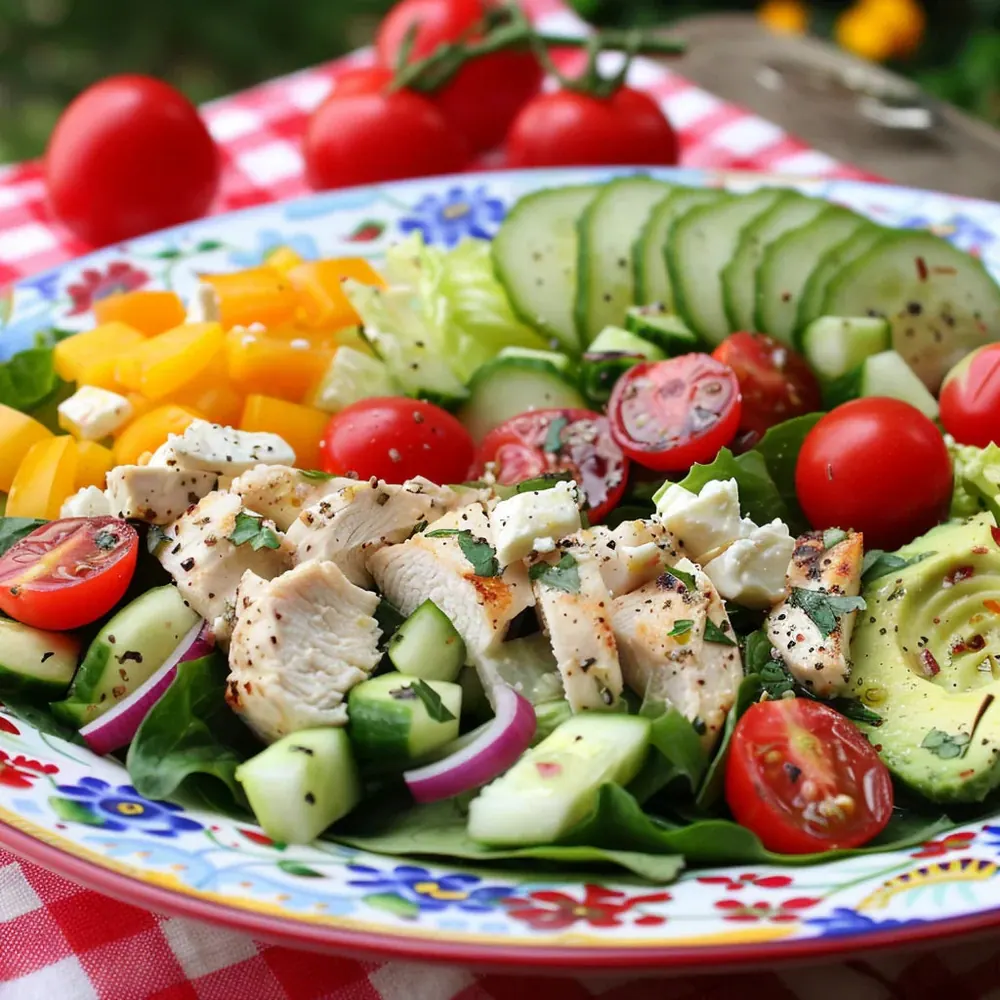 Here Is A Great Salad for a Summer Picnic
Over the years, I’ve cultivated my own vegetable garden many times, and when I don't have one, I’m a regular at the local farmers’ market. There’s something truly delightful about the abundance of colorful vegetables that comes with the summer season. Walking through the market, I’m always inspired by the vibrant reds of tomatoes, the deep greens of leafy vegetables, and the bright yellows and oranges of peppers. This rainbow of produce makes me want to create all sorts of fresh, creative salads. There's nothing like bringing home a basket full of these farm-fresh veggies and turning them into a dish that’s not only healthy but also a feast for the eyes. Whether it's a casual dinner at home or a summer picnic with friends, a colorful, crunchy salad always hits the spot.
Did You Know?
Chicken is an excellent source of lean protein, which is essential for muscle repair and growth. It's also rich in important nutrients like B vitamins and selenium. Including a variety of colorful vegetables in your salad not only makes it visually appealing but also ensures you're getting a wide range of vitamins and minerals. Fun fact: Red bell peppers have more vitamin C than an orange!
Nutritional Information (Per Serving): Calories, 250; Protein, 20g; Carbohydrates, 10g; Fiber, 5g; Net Carbohydrates, 5g; Fat, 18g; Saturated Fat, 5g; Cholesterol, 50mg; Sodium, 400mg; Sugars, 5g; Glycemic Index, Low
Kitchen Tips, Great Ideas, How to Save Money
-
Using Leftover Chicken: Save time and money by using leftover chicken from a previous meal. Rotisserie chicken from the grocery store is also a convenient option.
-
Fresh vs. Pre-Packaged Greens: Fresh greens from the produce section are often cheaper and more nutritious than pre-packaged salad mixes. Buy whole heads of lettuce and chop them yourself to save money.
-
Homemade Dressing: Making your own salad dressing is more cost-effective and healthier than buying bottled versions. You can control the ingredients and avoid unnecessary preservatives.
-
Seasonal Vegetables: Choose vegetables that are in season to get the best flavor and price. Seasonal produce is often fresher and more affordable.
-
Cheese Alternatives: If feta cheese is too expensive or not to your taste, try using shredded mozzarella, cheddar, or even cottage cheese as a substitute.
-
Batch Cooking: Prepare larger quantities of the salad ingredients and store them separately in the fridge. This makes it easy to assemble a quick salad for the next few days.
-
Buying in Bulk: Purchase items like olive oil, honey, and mustard in bulk to save money. These ingredients have a long shelf life and can be used in various recipes.
-
Reducing Food Waste: Use the leftover ends of vegetables in soups, stews, or stir-fries. This helps minimize waste and makes the most out of your groceries.
-
Garnish Ideas: Add a sprinkle of nuts or seeds, like sunflower seeds or almonds, for extra crunch and nutrition. Dried fruits, such as cranberries or raisins, can also add a touch of sweetness.
-
Cost-Saving Tips: Look for sales and discounts on fresh produce and other ingredients. Buying in-season and from local farmers' markets can also provide high-quality items at lower prices.
When You Eat Chicken, It’s a Good Idea to Know a Little Bit About Where Your Chicken Came From
In recent years, there’s been growing awareness about the importance of knowing where our food comes from, especially when it comes to meat. Chickens raised in humane conditions—often referred to as “happy chickens”—tend to be healthier and more nutritious. These chickens are typically allowed to roam freely, have access to fresh air, and are fed a diet free from harmful chemicals and antibiotics. In contrast, mass-produced chickens are often raised in confined spaces and fed a diet that may include growth hormones and antibiotics, which can affect the quality of the meat.
While it might be more expensive to buy chicken from a local farmer or a trusted source that raises chickens humanely, the benefits are significant. Not only are you supporting more ethical farming practices, but you’re also consuming meat that’s generally lower in harmful substances and higher in essential nutrients. Plus, many people find that chicken raised in better conditions simply tastes better, with a richer, more natural flavor. So next time you’re preparing a meal, consider where your chicken comes from—it’s a small choice that can make a big difference.
Shop Grandma's favourites
Eight pieces Heidi & Nancy love — to wear in the kitchen or gift to someone who loves to cook. Free shipping over $75 USD.

Embroidered Bandana Caps
From $19.00 USD Sale

Sweet Embroidered Headbands
From $12.00 USD Sale

Soft Retro Headbands
From $15.95 USD Sale

Tie Dye Bandana Hair Wrap
From $19.00 USD Sale

The Classic Apron
From $29.95 USD Sale

Set of 12 - Cotton Flower Handkerchiefs
$22.00 USD

Grandmother's Vintage Style Coin Purse
From $12.95 USD Sale

Grandmother's Mini Coin Purse
From $9.00 USD Sale