Ingredients
Directions
- Prepare the Sushi Rice:
- Rinse the sushi rice under cold water until the water runs clear.
- Combine the rice and water in a rice cooker and cook according to the manufacturer's instructions.
- In a small bowl, mix the rice vinegar, sugar, and salt until dissolved. Fold this mixture into the cooked rice and let it cool to room temperature.
- Assemble the Rolls:
- Place a bamboo sushi mat on a clean surface and cover it with plastic wrap.
- Lay a sheet of nori, shiny side down, on the plastic wrap.
- Wet your fingers with water to prevent sticking and spread a thin, even layer of sushi rice over the nori, leaving about 1 inch of nori uncovered at the top edge.
- Arrange a few strips of crab meat, avocado, and cucumber along the edge of the rice closest to you.
- Roll the Sushi:
- Using the bamboo mat, lift the edge of the nori closest to you and begin to roll it over the fillings, pressing gently but firmly.
- Continue rolling until the sushi is completely rolled up. Press the mat gently to shape the roll.
- Use a sharp knife to slice the roll into 6-8 pieces. Clean the knife with a damp cloth between cuts to ensure clean slices.
- Serve:
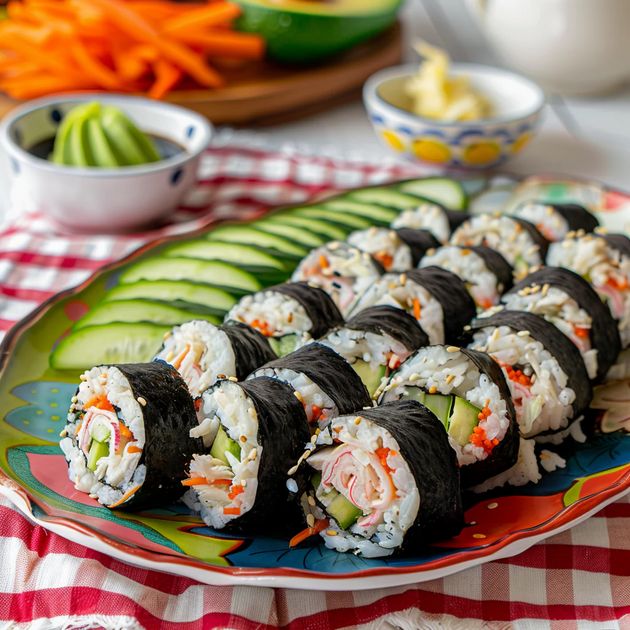
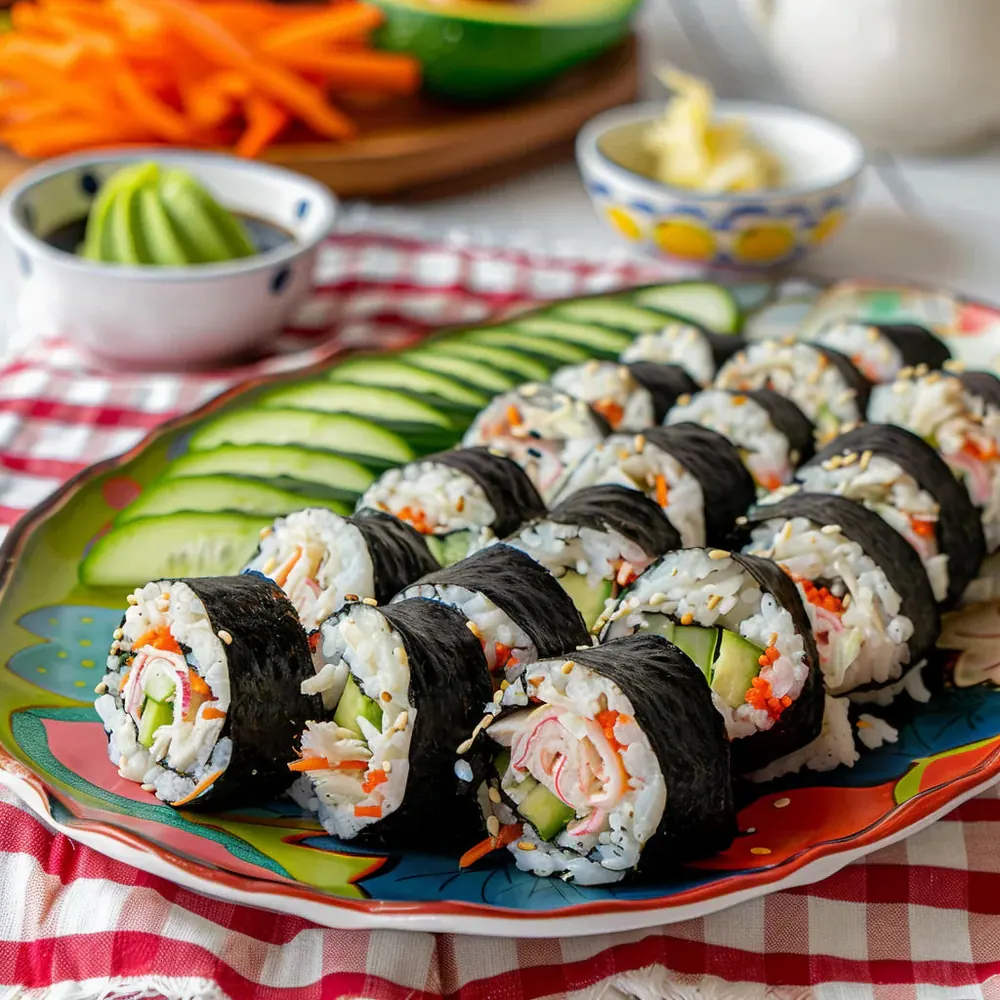
- Arrange the California rolls on a plate and serve with soy sauce, pickled ginger, and wasabi.
- Calories: 200, Fat: 5g, Saturated Fat: 1g, Carbohydrates: 34g, Fiber: 2g, Sugars: 3g, Protein: 4g
California Rolls: A Taste of My Foodie Adventure in LA Traveling with my daughter is always a special experience, especially when we’re on one of our foodie trips. One year, we found ourselves in the vibrant LA Bay Area, a paradise for food lovers. We spent our days exploring street cafes, discovering new dishes,...
 California Rolls: A Taste of My Foodie Adventure in LA
Traveling with my daughter is always a special experience, especially when we’re on one of our foodie trips. One year, we found ourselves in the vibrant LA Bay Area, a paradise for food lovers. We spent our days exploring street cafes, discovering new dishes, and soaking in the local flavors. One afternoon, before a leisurely walk along the boardwalk, we stopped at a charming little cafe that specialized in sushi. While I’ve never been one for raw fish, these California rolls immediately caught my eye. The combination of fresh avocado, crunchy cucumber, and savory crab meat, all wrapped in seaweed and rice, was irresistible. The simplicity and freshness of the ingredients made it the perfect light meal before our stroll. After that trip, I knew I recreated the recipe at home.
Did You Know?
California rolls are a type of sushi that originated in the United States, specifically in Los Angeles in the 1960s. The creation is often attributed to chef Ichiro Mashita, who wanted to make sushi more appealing to American diners by using familiar ingredients and eliminating raw fish. This innovative roll typically includes imitation crab, avocado, and cucumber, and is wrapped in seaweed and sushi rice. The California roll was one of the first types of sushi to gain widespread popularity in the U.S., and it helped introduce sushi to a broader audience. Today, California rolls are enjoyed worldwide and have inspired many variations and adaptations.
Nutritional Information (Per Serving):
Calories: 200, Fat: 5g, Saturated Fat: 1g, Carbohydrates: 34g, Fiber: 2g, Sugars: 3g, Protein: 4g
Kitchen Tips, Great Ideas, How to Save Money
-
Bulk Buying: Purchase sushi rice, nori, and imitation crab meat in bulk or when on sale. This can significantly reduce the overall cost and ensure you always have ingredients on hand for quick sushi preparations.
-
Homemade Sushi Rice Vinegar: Make your own seasoned rice vinegar by mixing plain rice vinegar with sugar and salt. This can be more cost-effective and allow you to adjust the seasoning to your taste.
-
Vegetable Variations: This recipe is versatile and can accommodate various vegetables based on what you have on hand. Consider adding julienned carrots, bell peppers, or radishes for a different flavor and texture profile.
-
Dairy Alternatives: While sushi recipes typically don’t include dairy, you can add creaminess to your rolls by using avocado or a thin spread of dairy-free cream cheese.
-
Reusable Storage: Invest in reusable silicone bags or glass containers for storing leftover sushi ingredients. These are environmentally friendly and can save money over time compared to disposable plastic bags and containers.
-
Energy Efficiency: Make large batches of sushi rice and store portions in the freezer. This saves on energy costs and makes meal prep more efficient. You can reheat the rice in the microwave or on the stovetop for quick sushi making.
-
Smart Storage: Store leftover sushi rolls in an airtight container in the refrigerator for up to two days. For longer storage, wrap individual rolls in plastic wrap and freeze them. Thaw in the refrigerator before serving.
-
Ingredient Substitutions: If you’re out of imitation crab meat, use what you have on hand. Cooked shrimp, canned tuna, or even smoked salmon can be great substitutes. These alternatives not only save money but also add a unique flavor and extra nutrients to your rolls.
-
Learning and Sharing: Engage with online cooking communities for more tips and recipe ideas. Sharing your experiences and learning from others can make sushi making more enjoyable and economical. You can discover new techniques, ingredient substitutions, and creative ways to use pantry staples.
-
Flavor Enhancements: Experiment with adding different flavors to your sushi rolls, such as a sprinkle of sesame seeds or a drizzle of spicy mayo, to add a unique twist to your recipe. Fresh herbs like cilantro or chives can also enhance the flavor and add a touch of freshness.
Let’s Learn About Sushi
Sushi is a traditional Japanese dish that consists of vinegared rice combined with a variety of ingredients such as raw or cooked fish, seafood, vegetables, and occasionally tropical fruits. The most common types of sushi include nigiri, which features a slice of fish or seafood atop rice, and maki, where ingredients are rolled with rice and seaweed.
Sushi-grade fish is often sourced from cold waters and flash-frozen to ensure safety. Popular varieties of fish used include tuna, salmon, and yellowtail. Vegetables like cucumber and avocado are also common ingredients.
Sustainability is an important aspect of sushi, so it’s helpful to be mindful of the environmental impact of sourcing fish. Look for sushi establishments that prioritize sustainable fishing practices.
Sushi can be served raw or cooked, depending on the dish, and is traditionally eaten with soy sauce, wasabi, and pickled ginger. It’s important to consume sushi-grade fish, which undergoes strict safety processes.
Shop Grandma's favourites
Eight pieces Heidi & Nancy love — to wear in the kitchen or gift to someone who loves to cook. Free shipping over $75 USD.

Embroidered Bandana Caps
From $19.00 USD Sale

Sweet Embroidered Headbands
From $12.00 USD Sale

Soft Retro Headbands
From $15.95 USD Sale

Tie Dye Bandana Hair Wrap
From $19.00 USD Sale

The Classic Apron
From $29.95 USD Sale

Set of 12 - Cotton Flower Handkerchiefs
$22.00 USD

Grandmother's Vintage Style Coin Purse
From $12.95 USD Sale

Grandmother's Mini Coin Purse
From $9.00 USD Sale